Between rising bean costs, tariff pressure, and more countertop espresso machines in homes, cafés are under immense pressure to differentiate. Good coffee is expected. So, what actually brings people through the door and keeps them coming back?
This summer, the most important coffee trends are less about the coffee itself and more about how it’s served, presented, and experienced.
To understand how operators are navigating these shifts, we spoke with Nicolas O’Connell, a coffee industry veteran, former Partner at La Colombe, and strategic advisor to Ripples. He outlines the macro-trends reshaping menus, margins, and customer expectations for Summer 2026.
Key Takeaways for Café Operators
- Cold Brew Domination: Cold coffee continues to lead beverage sales, heavily dominating afternoon dayparts.
- The Indulgence Shift: Specialty drinks are competing more with premium desserts than daily morning routines.
- Margin Stabilization: Matcha, tea, and alternative botanicals are bolstering menus against volatile bean prices.
- The “Brewtique” Standard: High-end retail aesthetics are raising customer expectations at independent shops.
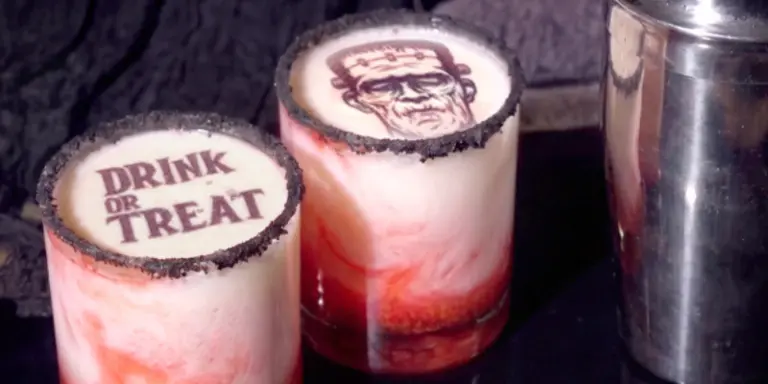
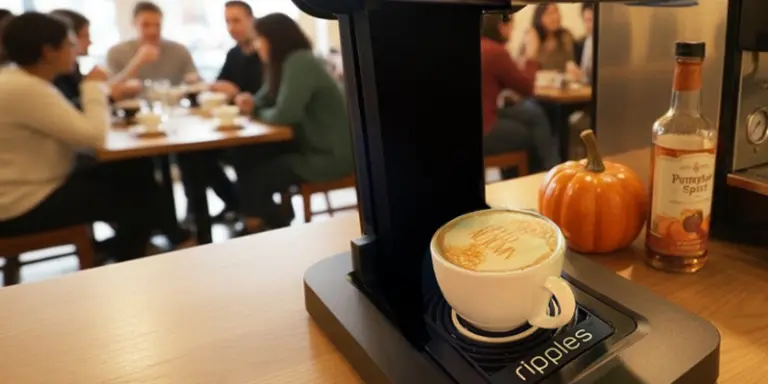
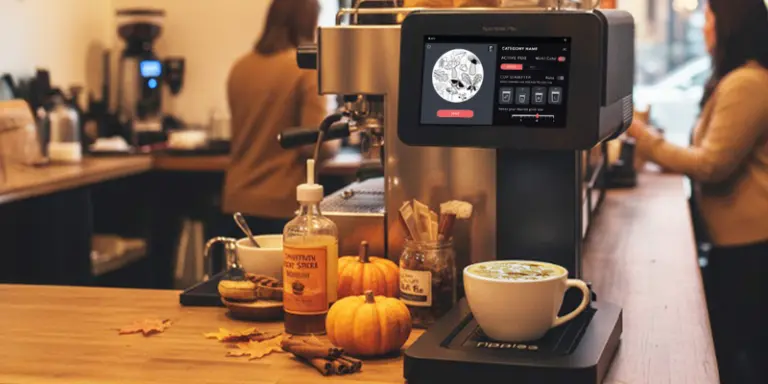
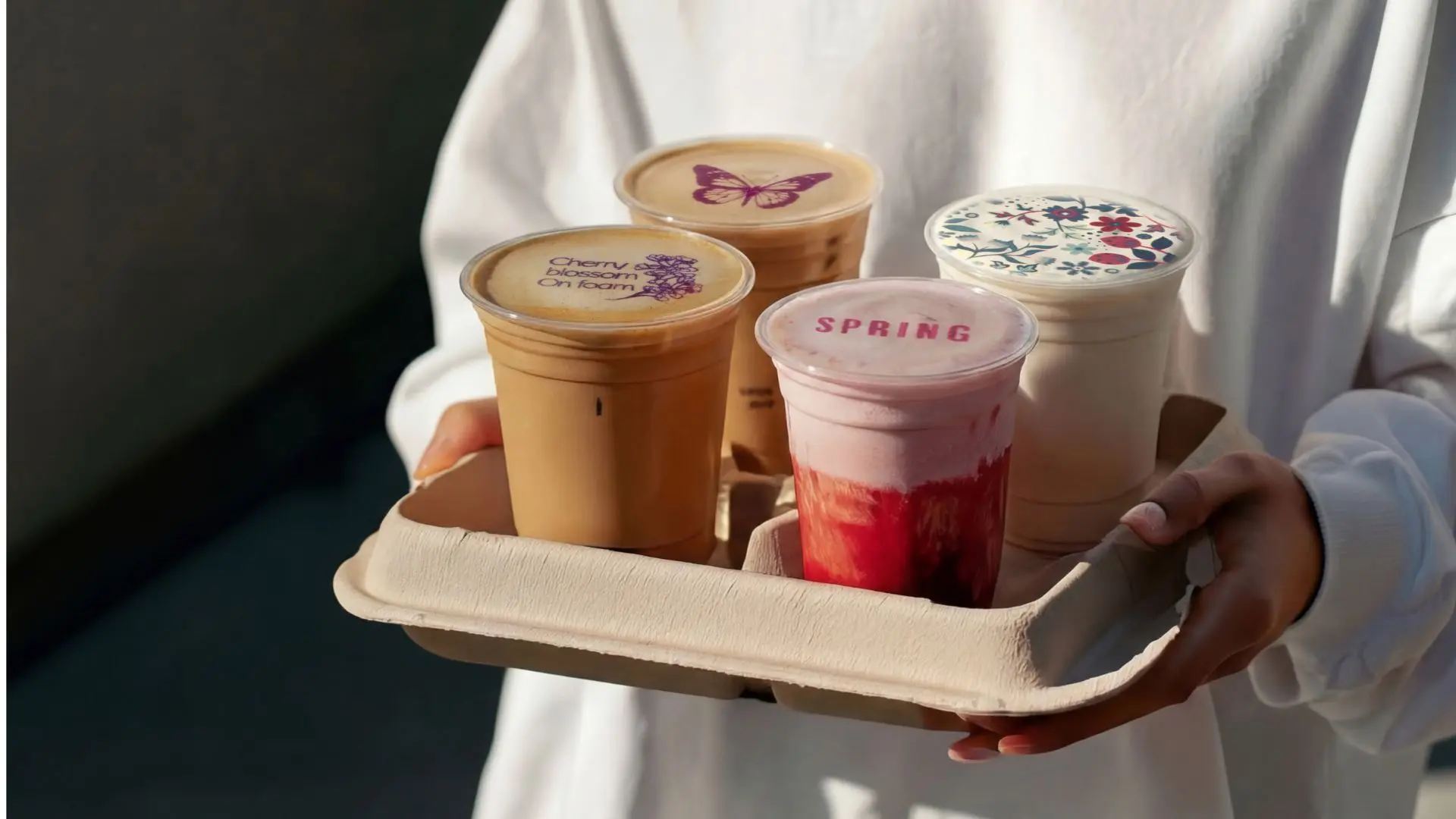
- Visual ROI: Highly shareable drinks, scaled with tools like a coffee printer, are driving social media shares and boosting the impact of LTOs.
Cold Coffee Continues to Dominate Café Menus
“Cold is taking over. Cold coffee, cold matcha, cold everything. It’s not a trend anymore. It’s a movement.” — Nicolas O’Connell
You can’t really call cold coffee a “trend” when it accounts for more than 60% of Starbucks international beverage sales, and has caused them to reshape their entire menu. Globally, cold drink consumption is only expected to grow. Grand View Research projects the cold brew market alone will grow from $506 million to $1.75 billion by 2030, at nearly 20% annual growth.
Some of the biggest growth opportunities right now are in the afternoon daypart. Technomic reports that 45% of consumers say cold and iced specialty beverages are their preferred choice mid-afternoon. The person who brewed at home at 7am is a completely different customer at 3pm and they’re likely looking for a completely different drink.
Luckily, cold coffee is the perfect base for seasonal flavors, cold foam variations, and limited-time drinks that drive repeat visits, and flavored drinks make up the majority of the iced coffee market.
Make It Work This Summer: Keep your menu fresh by rotating cold drinks and putting some effort into how they look, especially for that afternoon crowd. Layered iced drinks, thick cold foams, and distinct summer flavors are what get people through the door. Simple upgrades, like using nicer glassware or adding custom drink art with a coffee printer, turn a regular latte into something people want to share.
Why Café Drinks Are Competing With Dessert in 2026
National Coffee Association data shows 85% of U.S. coffee drinkers make their daily coffee at home, with countertop espresso machine ownership up 50% as of spring 2026. So why are people still paying $8-$16 for a drink at a café?
Serving specialty drinks means you’re no longer competing against your customer’s morning coffee; you’re competing with dessert. This splurge purchase is an easy yes when you’re framing it as a little daily treat instead of as a caffeine run.
Datassential’s 2025 Beverage Bonanza reports nearly twice as many consumers say they’re likely to buy a special beverage away from home than make one themselves, citing unique flavors, premium ingredients, and add-ins and textures that are hard to pull off at home.
The flavors winning right now:
- Asian-inspired: Ube, hojicha, black sesame, and pandan are showing up in cold foam drinks, matcha specials, and signature lattes as coffee shops look to stand out with globally inspired menus.
- Nostalgic desserts: Cereal milk, marshmallow, and bakery-style drinks tap into comfort and familiarity. O’Connell told us that “the biggest flavor of the moment is banana bread.”
- “Swavory” drinks: Sweet-and-savory combinations like miso caramel, sea salt maple, olive oil, and tahini, and cheese foam drinks are becoming more common as cafés experiment with more complex profiles.
Make It Work This Summer: Make your menu offerings indulgent and hard to replicate. Prep signature syrups in bulk and lean on cold foams for standout textures and flavors. They’re faster, sweeter, and read as more premium so you can price accordingly.
High Coffee Costs Are Reshaping Café Menu Strategy
“It’s been a tough year for coffee operators,” O’Connell says. “Crop issues, commodity speculation, tariffs, and broader economic pressure have pushed cafés to rethink how they build profitable menus. I’m starting to see cafes come up with a lot of interesting ideas.”
As margins tighten, operators are looking for menu categories that are less exposed to volatile coffee pricing while still driving customer excitement and repeat visits. Tea programs, refreshers, and specialty non-coffee beverages have become increasingly important because they offer more pricing flexibility and stronger margin protection than traditional espresso drinks.
Matcha was the breakout success story of 2025, but the broader shift is really about diversification. Cafés are building menus that rely less heavily on a single commodity and more on beverages that are less vulnerable to coffee price swings.
In 2026, operators are building on that momentum with menu items like fruit-forward matcha refreshers or sparkling tonics. Specialty teas are being treated more like specialty coffee drinks, with layered textures, customization, and premium add-ons.
Make It Work This Summer: Build a menu with flex. Develop two or three high-margin non-coffee alternatives that can anchor seasonal promotions and carry social media engagement even when coffee costs spike.
Functional Drinks, Alternative Milks, and the Wellness Crowd
Younger consumers are leading the charge in the demand for functional drink choices. Research from Ocado Retail finds over a third of consumers (38%) say they’re willing to pay more for drinks with added health benefits, and 31% plan to increase their consumption over the next 6 to 12 months.
Protein cold foam is already on most chain menus and is positioned for major growth at independent cafés this summer. Mushroom blends (lion’s mane, chaga), collagen cold brews, and adaptogen lattes give customers a better-for-you story that makes a $12 drink feel like self-care.
But the bigger shift to watch: caffeine moderation. The National Coffee Association’s 2025 data shows tea has started to outpace coffee among 18-24 year olds. 60% of Gen Z say they’ve cut back on traditional stimulants in favor of functional alternatives. Younger customers aren’t leaving cafés, they’re ordering differently. A tea refresher program, half-caff options, and zero-proof beverages at any time of day capture this customer instead of losing them to a shop down the street that adapted faster.
Alternative milks are part of the same story. Oat milk has plateaued, but pistachio milk and coconut-oat blends are gaining real traction with ingredient-conscious customers.
Make It Work This Summer: Add at least one functional drink to your menu and give it a clear wellness story. Serve specialty tea drinks right alongside your cold coffee program. Stock a trendy non-dairy milk and use it to create a dedicated specialty drink, like a pistachio lavender latte.
The Brewtique Phenomenon and the Evolution of Café Culture
Luxury fashion houses are embedding cafés directly into their retail spaces, from Aritzia to Louis Vuitton, and O’Connell has a name for it: the Brewtique.
“Brewtiques are popping up everywhere,” he says. “You go to New York. Saturday’s Surf Shop was first in 2005, then Ralph Lauren. They were very much the pioneer in this for the US.”
For luxury brands, the café is part of the lifestyle they are selling. “It portrays a lifestyle that is very close to the brand, that can then easily evolve into a shopping experience,” O’Connell explains. These cafés are designed to feel aspirational, visually striking, and deeply shareable online. The goal is not just selling coffee. It is creating an emotional connection to the brand through hospitality, design, and personalized experiences.
For independent cafés, the same principles apply. Comfortable seating, thoughtful interior design, and small personalized moments all contribute to whether a café feels worth lingering in. Knowing a regular’s order, or printing a guest’s dog onto their latte using a coffee printer makes a difference, driving repeat visits and social shares.
We actually looked at our own customers’ social media to see if this customization pays off. It does: on average, 62% of all guest beverage posts from these shops featured drinks customized with Ripples. When you give people something visually memorable, they share it naturally. Not because of a marketing campaign, but simply because it’s worth posting online.
Make It Work This Summer: Thoughtful interiors, consistent branding, and small personal touches all influence whether a space feels worth returning to. To compete with high-end brand spaces, independent shops need to focus on visual details that make the drink feel curated. Incorporating tools like a coffee printer allows you to put customized branding or seasonal designs directly on top of the beverage, giving your shop an easy way to deliver a luxury, bespoke experience without slowing down the line.
One Coffee Trend to Watch: Enzyme-Enhanced Beans
Boutique roasters are experimenting with enzyme-enhanced beans in a process where green beans are infused with enzymes before roasting that produces a noticeably more complex cup.
“They infuse the green beans with enzymes,” O’Connell says, “and it brings the most delicious taste.”
This isn’t in the mainstream yet, but keep an eye on boutique roasters for early versions in the coming year.
Your customers can make coffee at home, and most of them already do. What keeps people coming back to cafés are the details they can’t replicate at home: unique flavor combinations, a barista who knows their order, and personalized touches like a custom drink print. The cafés gaining momentum this summer are building menus and experiences that feel specific, memorable, and worth paying for. The Ripple Maker coffee printer fits naturally into that shift, making it easy for operators to turn everyday drinks into branded, personal, and shareable moments that turn first-time visitors into regulars. Learn more.
About the Contributor
Nicolas O’Connell is a coffee and business expert with decades of industry experience. A former Partner at La Colombe, he played a key role in shaping the brand’s pioneering wholesale programme. Today, he consults for coffee businesses, helping brands scale strategically while staying true to their identity.
Citations:
- Starbucks Newsroom — Cold is rising: How global demand is shaping the future of Starbucks beverages
- Grand View Research — Cold Brew Coffee Market Report
- Technomic — Cold Beverage Categories: Market Insights
- National Coffee Association — National Coffee Data Trends, Fall 2025 and Spring 2026
- Datassential — Beverage Bonanza
- Ocado Retail — Functional drinks boom as Gen Z swaps out coffee and alcohol for healthier alternatives
- The Daily Beast — Home Coffee Consumption Rockets to 14-Year High as Prices Surge