Opening a café is exciting. Keeping one open is much harder.
U.S. business survival data shows that only around 59% of accommodation and food-service businesses are still operating after five years. In other words, roughly 4 in 10 close within their first five years.
And the problem is not necessarily bad coffee.
A café can serve an excellent cappuccino and still struggle if it does not generate enough revenue per customer, build repeat business, control costs, or give people a compelling reason to choose it over the competition.
So what can café owners focus on to build a business designed to last?
1. Give Customers a Reason to Choose You
Good coffee matters, but today it is often the starting point rather than the differentiator.
Customers may have several cafés nearby offering quality espresso, pastries, alternative milks, seasonal drinks, and attractive interiors. If every option feels similar, convenience and price become much more important.
Successful cafés give customers another reason to choose them.
It could be exceptional pastries, unusual seasonal drinks, fast morning service, a distinctive atmosphere, specialty brewing, community events, or a strong neighborhood identity.
The differentiator does not need to reinvent coffee. It simply needs to give customers a clear answer to:
“Why this café?”
That distinction can influence whether someone visits once or develops a preference for the business.
2. Get More Value From the Customers You Already Have
A busy café is not automatically a profitable café.
If most customers purchase one low-margin drink and leave, the business may need significant volume simply to cover rent, labor, ingredients, utilities, and other operating costs.
Increasing average order value can therefore be just as important as attracting more people through the door.
Cafés can create natural opportunities to spend more through food-and-drink pairings, premium seasonal beverages, size upgrades, profitable add-ons, breakfast combinations, desserts, or retail products.
Presentation can also increase perceived value without requiring an entirely different menu. Better glassware, distinctive garnishes, seasonal presentation, or personalized touches can make a familiar product feel more premium.
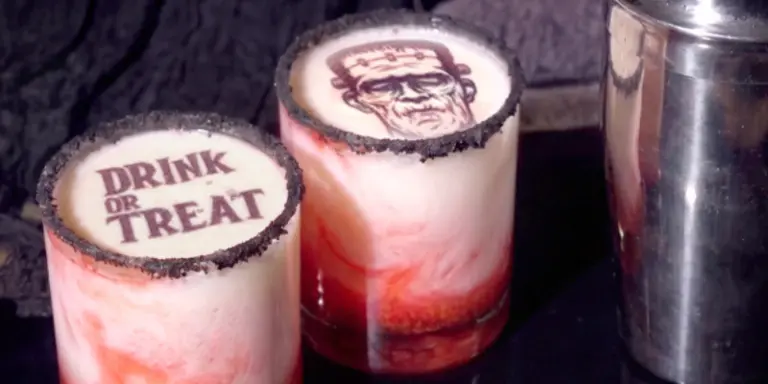
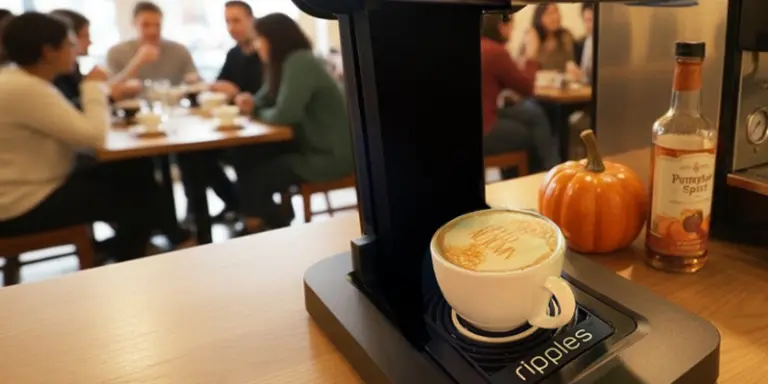
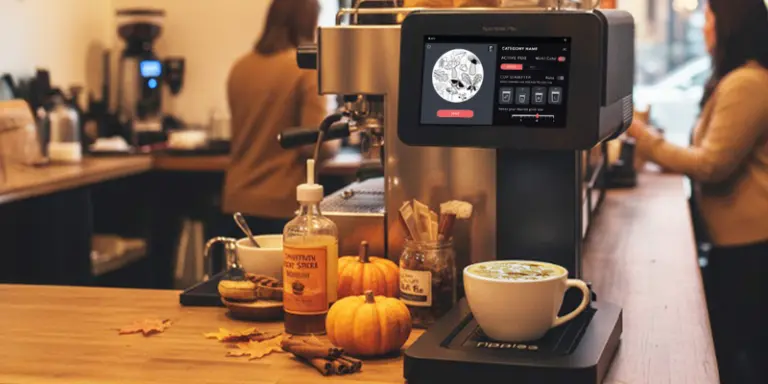
Printed drinks are one example. Using a coffee printer such as the Ripple Maker, cafés can add images, messages, logos, or seasonal designs directly onto foam-topped beverages. For some businesses, this can support premium drinks or special occasions while giving customers something visually different from a standard coffee. It is one option among many for increasing the perceived value of a product customers already order.
The goal is not to push every customer to spend more. It is to create offers that make the additional spend feel worthwhile.
3. Turn First-Time Customers Into Regulars
Getting someone through the door once is only part of building a sustainable café.
The bigger opportunity is giving them a reason to return.
Loyalty programs can help, but repeat business is not built through discounts alone. Customers also return because service is reliable, staff recognizes them, their favorite order is consistently good, or the café simply feels like somewhere they enjoy being.
Cafés can strengthen that relationship through seasonal menu changes, community events, collaborations, personalized service, limited releases, or other reasons to check back regularly.
There should be enough consistency for customers to trust the experience and enough freshness to keep it interesting.
Over time, the goal is to move from “That’s a good café” to “That’s my café.”
4. Make the Experience Do Some of the Marketing
Social media has made café competition more visual, but that does not mean the solution is simply posting more.
Some of the strongest marketing starts inside the café.
A striking seasonal drink, unusual pastry, distinctive interior, creative packaging, local collaboration, or unexpected customer experience can give people a reason to photograph and share their visit themselves.
That creates an important question for operators:
Instead of only asking “What should we post?”, ask “What are we creating that customers may want to post?”
Customer-created content can introduce the café to people who have never encountered its own social channels. It also acts as a recommendation because the experience is being shared by a customer rather than advertised by the business.
A café does not need every drink or corner to be designed for social media. But creating occasional moments worth talking about can help the experience continue working as marketing after the customer leaves.
5. Know the Numbers Behind the Coffee
Great branding and a busy counter cannot compensate for a business model that does not work.
Ingredient prices change. Labor increases. Waste creeps upward. Delivery platforms take commissions. Suppliers adjust pricing. A menu item that looks popular may produce very little margin.
Café owners need to understand what is actually happening behind the sales number.
That means regularly looking at areas such as:
- Average transaction value
- Food and beverage costs
- Labor
- Product margins
- Waste
- Sales by day and daypart
- Inventory
- Fixed operating costs
It also means questioning whether every new revenue idea actually helps.
Adding lunch, delivery, catering, events, or a larger menu can generate additional sales, but each one also introduces new ingredients, equipment, staffing, training, and operational complexity.
More revenue does not automatically mean more profit.
Sometimes the better opportunity is improving what already exists: increasing sales during a quiet afternoon, reducing waste, promoting a profitable product more effectively, or encouraging existing customers to visit more frequently.
Good Coffee Still Matters. It Just Can’t Do Everything.
There is no single reason a café succeeds or fails.
Location matters. Costs matter. Staffing matters. Pricing matters. Customer demand matters. And, of course, coffee quality matters.
But coffee is only one part of the business built around it.
Cafés give themselves a stronger chance of lasting when they understand what makes customers choose them, how to turn visits into repeat business, where additional revenue can come from, and whether the numbers behind the operation actually work.
Great coffee can get customers’ attention. Building a business they want to return to is what gives the café a chance to last.
Get on the list!
"*" indicates required fields