Food and beverage businesses are usually managed through things that can be measured: costs, staffing, inventory, speed of service, menu performance, waste, reviews, and repeat visits.
All of that matters. A business cannot survive without strong operations.
But customers do not experience a business through its spreadsheet. They remember how the place made them feel. That is one lesson many operators learn over time: the business is managed through operations, but it is remembered through moments.
Quality Gets You Considered. Experience Gets You Remembered.
Quality is the foundation. Guests need to trust that the coffee, cocktail, dessert, or meal will be good every time.
But in a crowded market, quality is often the entry ticket. A guest can enjoy a good drink and still forget where they had it. They can have a good meal and never mention it again.
What they remember is usually the detail that made the visit feel different: the welcome, the atmosphere, the presentation, the personal touch, or the moment that felt unexpected.
Quality earns trust. Experience creates memory.
Consistency Should Not Mean Sameness
Consistency is essential in hospitality. Guests want to know they can come back and get the same level of quality, service, and care.
But consistency can become a trap when every visit feels exactly the same.
The best operators keep the core experience reliable while adding small reasons for guests to notice something new: a seasonal drink, a local reference, a limited-time menu item, a personal gesture, or a detail tied to the occasion.
You do not need to reinvent the business every week. You just need to keep the experience from becoming invisible.
The Environment Speaks Before the Product Arrives
Customers start forming opinions before the first sip or bite.
They notice the entrance, lighting, sound, seating, menu, staff energy, and overall feel of the space. Before they decide whether the product is great, they have already decided what kind of place they are in.
That is why the environment matters. It tells customers how to interpret the experience.
A café can feel like a quick stop or a place worth staying. A bar can feel ordinary or special. A restaurant can feel transactional or thoughtful.
Often, the difference comes from small details that signal care.
Small Moments Become the Stories Customers Share
Most visits are ordinary by nature. Someone orders a drink, meets a friend, grabs lunch, attends an event, or stops in during the day.
But within those ordinary visits, there are chances to create moments that stand out.
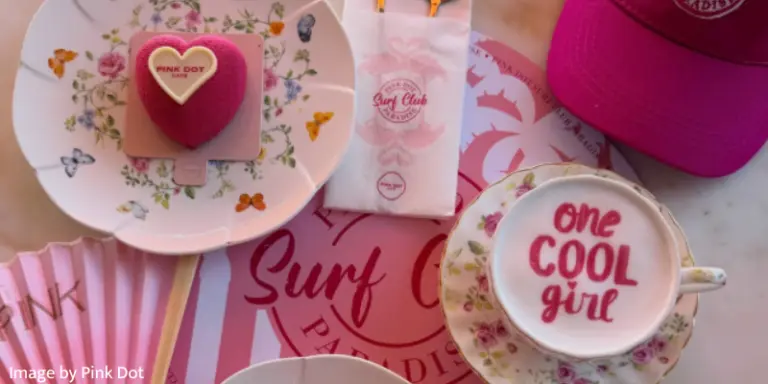
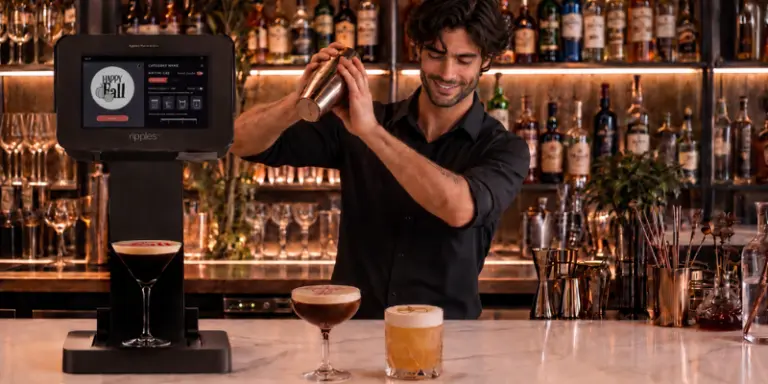
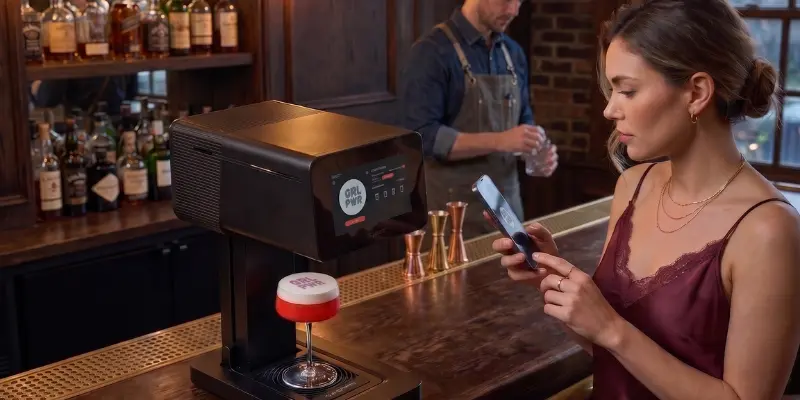
A server remembers a regular. A birthday dessert arrives without being asked. A cocktail comes with a detail tied to the occasion. A drink or dish is presented in a way that makes people pause.
These moments do not need to be big. They just need to feel specific.
They become the things guests mention later, the photos they take, the details they include in a review, and the reasons they recommend the place to someone else.
This is also supported by restaurant experience research. Studies on memorable restaurant experiences have connected positive emotions and memorable moments with loyalty, social sharing, and electronic word of mouth. That matters because today, a strong guest experience can travel far beyond the people in the room.
The Takeaway
Food and beverage businesses are managed through operations, but they are remembered through experiences.
The numbers matter. So do the systems, the product, and the team. But customers do not come back only because a business was well run. They come back because the experience gave them a reason to remember it.
In hospitality, memory is not a bonus.
It is part of the business.
Want More Practical Ideas for Growing Your Food and Beverage Business?
For more tips and expert insights on how to make your business stand out with practical advice and proven ideas straight to your inbox – join our email list and stay ahead.
Get on the list!
"*" indicates required fields