Event planners are constantly making trade-offs.
Better flowers or a bigger dessert table? A live band or upgraded décor? Premium wine or another hour of photography?
For caterers, that creates a familiar challenge: how do you convince people to upgrade when they are already watching every part of the budget?
The answer is rarely to simply offer more.
people are more likely to pay extra when they can clearly understand what the upgrade will change about the experience, what their guests will notice, and why it will make the wedding feel more personal or memorable.
That makes the way an upgrade is packaged and presented just as important as the upgrade itself.
Start With the Emotion, Not the Features
Caterers naturally think in terms of what an upgrade includes: Premium ingredients, more courses, additional drink options, specialty stations, better glassware, extra staff.
But those details do not always communicate value.
Consider the difference between:
“Upgrade to our premium cocktail package with two specialty cocktails.”
and:
“Give your guests two signature cocktails designed around your customer’s story and served during cocktail hour.”
The first describes what the caterer provides. The second helps them picture what will happen at their wedding.
That distinction matters because people are not only comparing catering packages. They are deciding whether the same money would create more impact somewhere else.
The clearer the experience is, the easier the upgrade becomes to justify.
Connect Every Upgrade to Something Guests Will Notice
An upgrade has more perceived value when guests can actually experience the difference.
Some upgrades happen behind the scenes. Better ingredients or higher-end equipment may improve quality, but people may struggle to understand why they should pay more unless that difference becomes visible.
Instead, caterers can frame upgrades around specific guest moments.
For example:
- A welcome drink served as guests arrive
- A late-night snack station after dancing begins
- A tableside dessert presentation
- A chef-attended food station during cocktail hour
- A custom menu inspired by the guest
- A premium coffee service after dinner
- A signature cocktail introduced at a specific point in the reception
Instead of selling an additional product, you are selling a moment within the event.
That makes the value much easier to imagine.
Personalization Gives people a Reason to Spend More
Generic upgrades are easy to compare on price. Personalized ones are harder to reduce to a line item.
- A dessert station becomes more meaningful when it features recipes from the couple’s families.
- A cocktail becomes more memorable when it references where they first met.
- A late-night snack becomes part of the story when it recreates the food they ate on their first date.
- A coffee service can incorporate flavors connected to their background or favorite destination.
These details do not necessarily require dramatically more expensive ingredients.
What they add is relevance. And when people feel that something was designed specifically for their wedding, the upgrade can feel less like an additional expense and more like part of the event itself.
Give people Something They Can See or Taste
One of the biggest problems with selling an upgrade is that people are often asked to pay for something they have not experienced yet.
A description in a catering proposal can only do so much.
Whenever possible, demonstrate the difference during tastings and consultations.
- If you offer a premium dessert, serve it.
- If you want to sell upgraded wine, let the guests taste the comparison.
- If you offer a signature cocktail program, prepare one based on information they provided before the tasting.
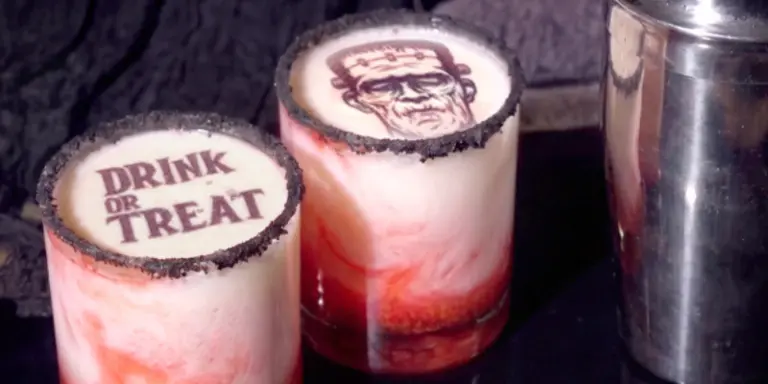
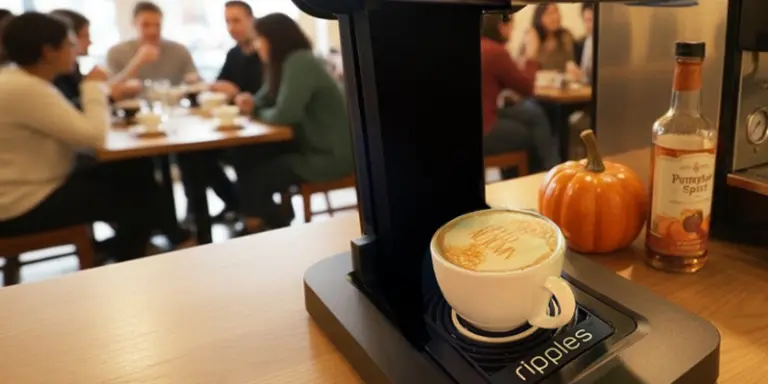
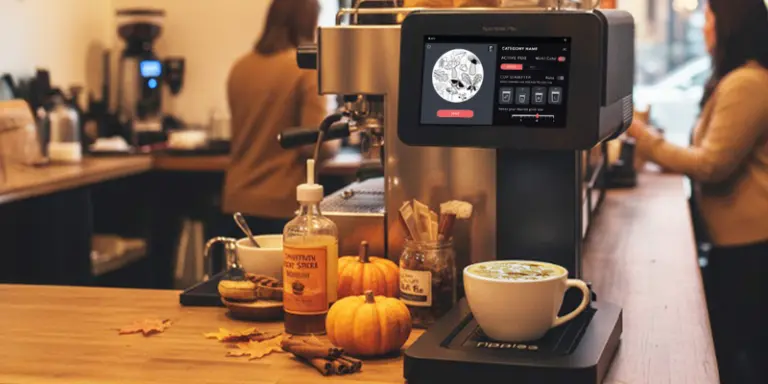
- If you offer a printed cocktail, print and show it to them in reality.
A physical experience turns an abstract upgrade into something concrete.
Create Good, Better, Best Options
An upgrade can feel expensive when it is presented as an all-or-nothing decision.
Tiered packages give people more control.
For example, instead of offering only a standard bar and a premium bar, a caterer could structure it as:
- Classic: Beer, wine, and standard bar service.
- Signature: Classic service plus two custom cocktails.
- Experience: Signature cocktails plus upgraded presentation, custom menus, premium garnishes, or a dedicated cocktail-hour feature.
Poeple are no longer deciding whether to upgrade. They are deciding how much of the experience they want to upgrade.
Use the Wedding Timeline to Sell Upgrades
Another useful approach is to stop presenting catering as one large package.
Instead, look at the wedding through the guest journey.
- Arrival: What do guests receive when they walk in?
- Cocktail hour: What gives them something to explore or talk about?
- Dinner: What makes the meal feel different from another formal event?
- Dessert: Is there a memorable presentation or interactive element?
- Dancing: Is there a late-night food or drink moment?
- End of the night: Is there a takeaway, final snack, or farewell drink?
This approach can reveal opportunities for upgrades that feel purposeful rather than excessive.
Use Social Proof Carefully
People also want reassurance that an upgrade will actually work. If a particular experience has been popular at previous weddings, say so.
For example: “Many couples choose this option for cocktail hour because it gives guests something to do while the wedding party is taking photos.”
Or: “This is one of our most popular late-night upgrades because guests tend to get hungry again once dancing starts.”
That is more useful than simply saying something is a bestseller.
It explains why other couples found it valuable.
Photos and short videos from previous events can make this even stronger, especially when they show guests interacting with the experience rather than only showing the food itself.
Help people Prioritize, Not Just Spend More
A strong upsell conversation should not make people feel pressured to maximize their package.
Sometimes the most valuable recommendation is telling them which upgrades they can skip.
- If a guest is already investing heavily in dessert, perhaps another elaborate sweet station is unnecessary.
- If their reception is short, a late-night snack may not make sense.
- If the bar is the center of the event, however, a signature cocktail experience may deserve more of the budget.
That kind of guidance builds trust.
It also changes the caterer’s role from someone selling extras to someone helping the couple decide where their money will create the greatest impact.
Want more insights on hospitality trends, customer experience, and creative event ideas for modern catering businesses? For practical ideas and industry inspiration – Join the Ripples email list.
Get on the list!
"*" indicates required fields