Many restaurants and bars approach social media as a content problem. They focus on posting more frequently, following trends, improving visuals, or increasing ad spend – assuming visibility alone will drive customer growth.
But in hospitality, attention isn’t the real challenge – Memorability is.
The restaurants and bars that perform best online are usually not the ones producing the highest volume of content. They are the ones creating experiences people genuinely want to talk about, photograph, and share.
That distinction is where many hospitality businesses misunderstand modern marketing.
Social Media Can’t Fix a Forgettable Experience
Social media can increase exposure, but it cannot compensate for experiences that feel forgettable.
Today, restaurant and bar content is highly saturated:
- Food photography
- Cocktail pours
- Trending audio
- Limited-time promotions
- Interior aesthetic shots
Most of it looks interchangeable. As a result, customers scroll past restaurant content quickly unless something feels emotionally engaging, visually unexpected, or personally relevant.
Restaurants and bars are no longer competing only with nearby venues. They are competing with an endless stream of digital content and increasingly short attention spans.
Simply posting more often is no longer a competitive advantage.
Customers Share Experiences, Not Marketing Campaigns
One of the biggest misconceptions is the belief that businesses are responsible for creating the online engagement themselves.
In reality, the strongest social media exposure often comes directly from customers.
When guests experience something memorable, personalized, or visually unique, they naturally become distributors of the brand experience:
- Posting Instagram Stories
- Sharing photos with friends
- Tagging the venue
- Recommending the experience
- Returning with additional guests
This type of customer-driven exposure tends to outperform because it feels authentic rather than advertised. In hospitality, word-of-mouth and social sharing are often extensions of emotional experience.
Emotional Connection Drives Stronger Customer Retention
Restaurants and bars are emotional environments as much as transactional ones.
People come to dine, celebrate, socialize, relax, or break routine. Because of this, customer decisions are often driven less by logic and more by emotional association.
Guests may not remember a specific advertisement or a discount campaign, but they often remember:
- How the experience felt
- Whether the environment felt engaging
- Personalized interactions
- Unexpected details
- Moments worth sharing
These emotional impressions are what influence repeat visits and long-term loyalty, which increase sales and orders.
Why Personalization Performs So Effectively
Personalization is one of the strongest tools for creating emotional engagement in hospitality because it transforms passive consumption into participation.
Even relatively small personalized moments can significantly increase customer attention and memorability:
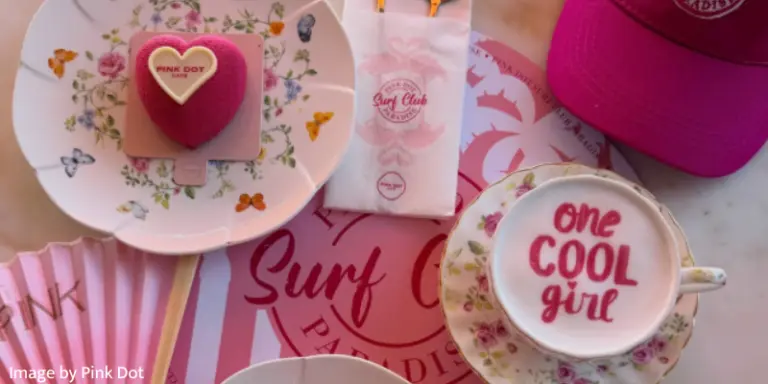
- Names printed on the guests’ drinks
- Birthday cocktails or celebration desserts
- Bartenders remembering a customer’s usual order
- Staff greeting returning guests by name
- Handwritten thank-you notes on the receipts.
Operationally, these additions may be simple.
Psychologically, they create recognition and emotional relevance – two factors associated with customer memory and sharing behavior.
Instead of serving a standard product, the venue creates an experience that feels individualized.
The Shift From Content Creation to Experience Creation
Many venues shift away from treating social media purely as a publishing channel and instead focus on creating experiences that customers naturally want to photograph and share.
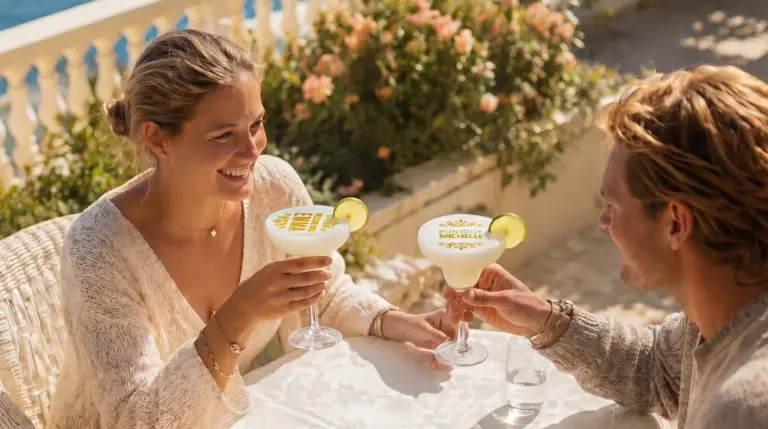
This is where experiential elements, such as personalized drink designs, have become increasingly common in hospitality marketing.
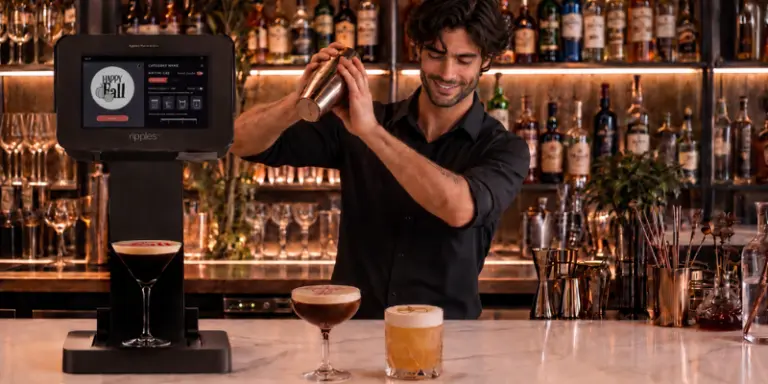
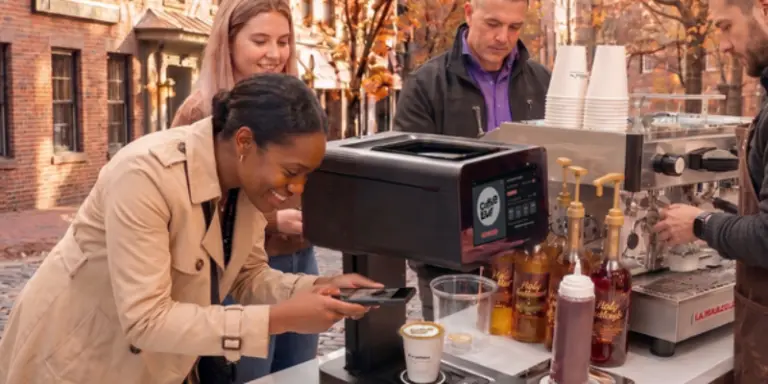
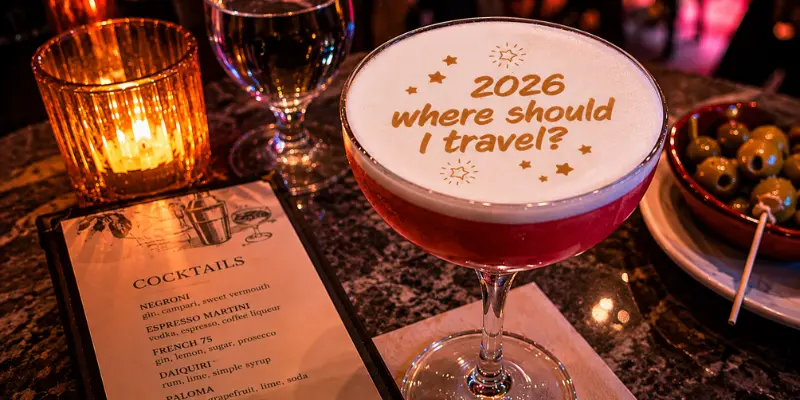
Tools like the Ripple Maker beer and cocktail printer allow venues to print images, messages, logos, or custom visuals directly onto foam-topped drinks, creating moments that feel more interactive and personal than traditional promotions.
The impact is not only visual. These experiences often encourage natural customer engagement:
- Guests photograph the drink
- Customers share it online
- The venue gains free visibility
- The experience becomes more memorable
Social Media Emotional Connection Comes From Repeated Small Moments
Many restaurants focus heavily on creating viral social media moments. But long-term customer loyalty is built through smaller, consistent experiences that guests remember over time.
This is why personalized and human moments tend to perform so well:
- Printed personalized drinks posts
- Showing bartenders making drinks with care and style
- Behind-the-scenes moments with chefs, bartenders, or staff
- Staff greeting returning guests by name
- Customers’ reaction to the food
Over time, repeated positive interactions help transform a venue from “somewhere to eat” into a place customers feel connected to and want to return to.
Want more ideas on how restaurants and bars can create stronger customer connections beyond traditional social media marketing? Join the Ripples email list.
Get on the list!
"*" indicates required fields