- Zero-waste and sustainable packaging: E-commerce and food & beverage will drive innovative zero-waste and sustainable packaging solutions in 2022. At the very least, we’re seeing bigger and bolder promises from major industry stakeholders. As part of its World Without Waste Initiative, Coca Cola has pledged to achieve 100% recycled packaging by 2025 and 50% recycled materials by 2030. In a similar vein, Unilever announced that by 2025, they will design 100% of their plastic packaging to be fully reusable, recyclable or compostable.
- Plant-based everything: Tying into the trend in planetary and personal health, plant-based alternatives to animal food products continue to lead the way in food & beverage innovation. According to Forbes, some of 2022’s biggest plant-based trends include veggie-meat hybrid foods, cell-cultured meat, surprising plant-based dairy substitutes (potatoes!), and a wider selection of plant-based protein alternatives featured at both fast food and gourmet restaurants.
- Streamlining menus: Soaring costs, supply-chain issues, and extended periods of sheltering-in-place led food businesses big and small to streamline their menus in 2021. According to the National Restaurant Association’s ‘What’s Hot’ report, that trend is set to continue in 2022, and so far, customers don’t seem to mind. Interestingly, the National Restaurant Association also cites streamlining menus as a best practice to cutting food waste, which produces 8% of today’s global greenhouse gas emissions.
- Alcohol infused-desserts: Boozy ice cream continues to gain momentum, with Bloomberg reporting that total revenue for this tasty category is expected to reach more than $450 million over the next three years. Several notable ice cream makers have partnered with alcohol brands to capitalize on the trend.
- Fancy potato chips: The flavor combinations are endless and demand is growing in what is already the most popular salty snackfood category. New flavors and textures are driving innovation, as are alternative oils, fruit chips, and cauliflower chips.
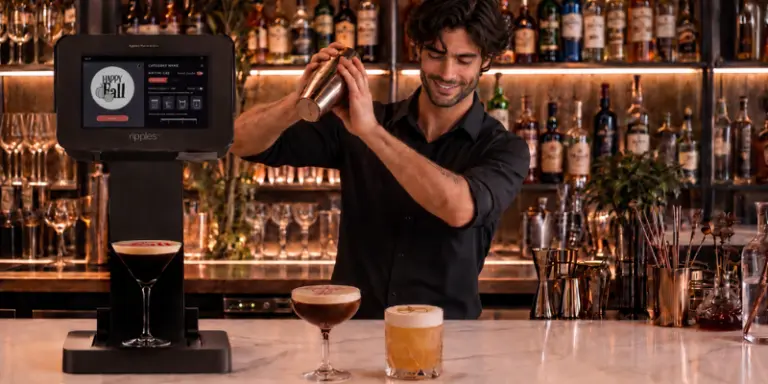
- RTD Cocktails: Premiumization and an impressive array of sophisticated flavor profiles have turned this formerly cheap product category into the alcohol industry’s second-largest, expected to surpass vodka by volume in 2022. Though there’s no stopping them in the coming year and beyond, maximizing the presentation of RTDs remains a challenge in on-premise environments. Ripples bev-top media offers creative solutions for scalable personalization that instantly boost the flair of a freshly poured RTD.
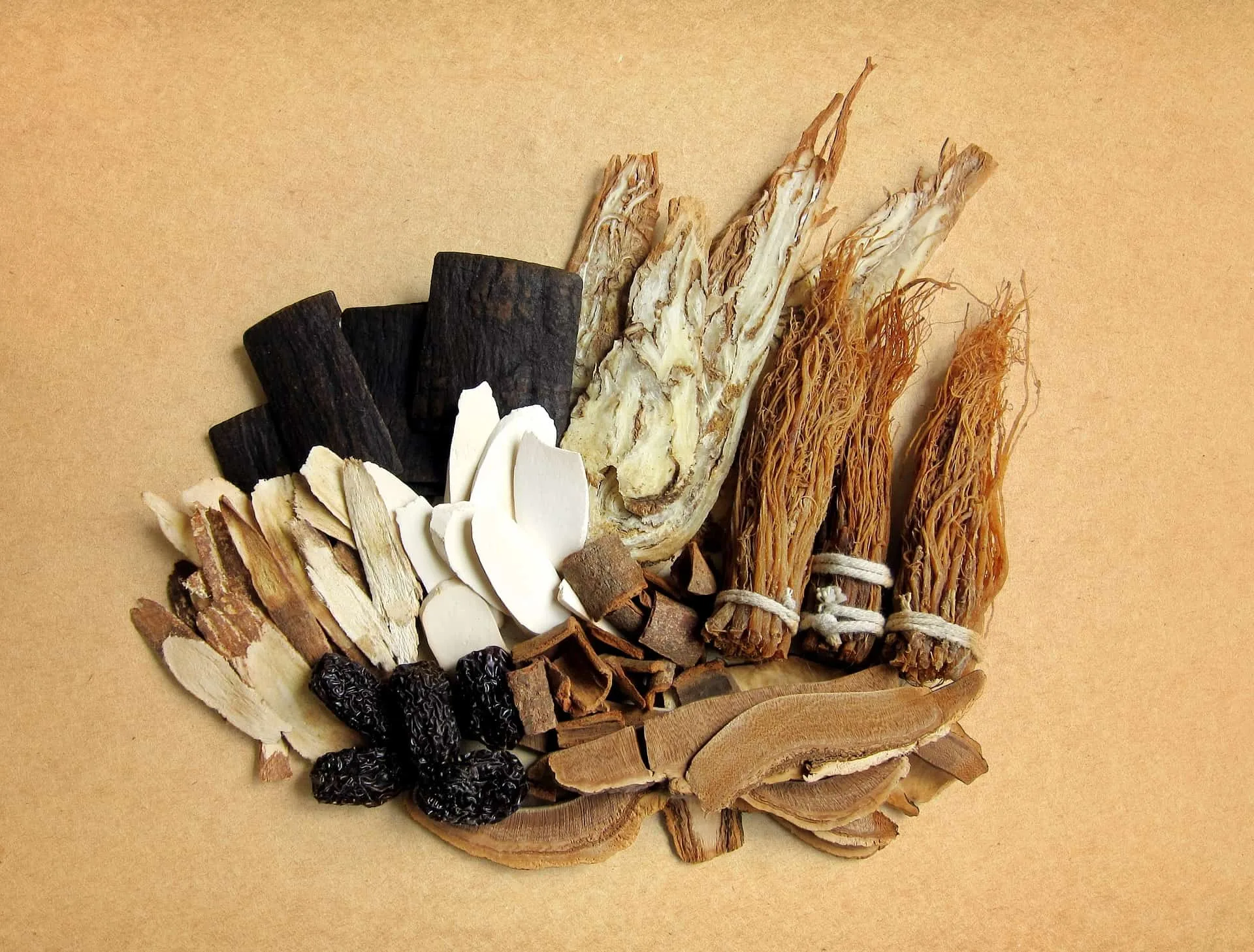
- Adaptogens: Adaptogenic herbs and fungi such as Tulsi (Holy Basil), Ashwaganda, Rhodiola, Ginseng, Maca, Rosemary, and Reishi (Lion’s Mane) mushrooms have been used for centuries to support strong immune health, stress, hormonal balance, and energy metabolism. In 2022, they’re slated to transition beyond supplements into a broader range of food and beverage products. According to a leading maker of adaptogenic products in the US market: “… the natural launchpad for this is the local barista. We are not far away from things like a lion’s mane latte.”
- Pre and probiotics: The naturally-occuring prebiotic fibers found in a wide range of plant foods are known to strengthen the probiotic bacteria in fermented foods. Together, they support both gut health and immunity. New offerings in the burgeoning (and increasingly health-focused) Ready-To-Drink market are pushing pre- and probiotics into the spotlight — bigtime. According to Grand View Research, the global probiotic drink market was valued at $13.65 billion in 2019, with 6.1% CAGR from 2020-2027, with prebiotics expected to surpass $9.5 billion by 2027.
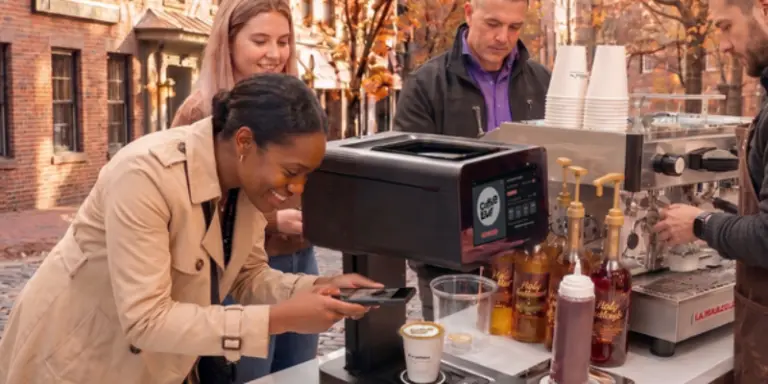
- Digital journey and menus: Streamlining isn’t the only trend affecting menus. Digital customer journeys, beginning with online menus, are evolving to offer more options for customization and personalization. This food and beverage trend for 2022 is part of a larger shift in rethinking the to-go experience, as take out orders facilitated by digital channels grow exponentially. With more people eating at home or on the go, restaurants must find ways to infuse branding into off-premise experiences. Examples include QR codes linking to restaurant playlists, ready-to-assemble cooking kits, and instagrammable cocktail packaging.
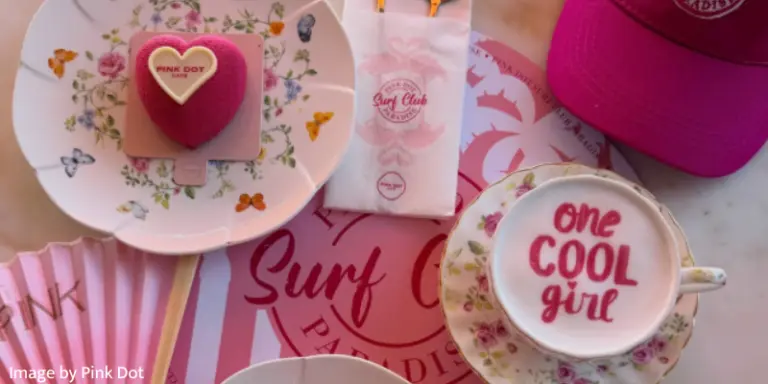
- On-premise extraordinaire: Because customers are going out less to eat, they want to make each dining experience extra special. This puts pressure on restaurants to find creative ways of standing out. Expect to see more elaborate patio and private dining options, chef collaborations, hyper-local foods, and an emphasis on extra-sensory experiences that extend beyond the palate (like Ripples’ dressed-up drinks).
- Automation is coming: Restaurants and even consumers are growing open to the idea of using service automation. In the U.S., 50% of operators plan to integrate automation technology by 2025. High-profile chains such as White Castle, McDonald’s and Chick-fil-A are piloting a range of ideas from automated drive-thru ordering, to robotic food assembly.
- Less is more: Consumers and brands are finding creative ways to explore quantity over quality to maximize their food and beverage experiences in these restricted times. It’s not all bad!
- But make it count: If less is going to be more, each bite and sip have to be better. That includes sophisticated flavor combinations, personalized touches, and a nod to sustainability.
- And don’t forget the fun!: Because if we’re all in this together, we might as well make the best of it.