Why Perfect Cocktail Foam Matters for Drink Sales
A great cocktail foam does more than add texture. It acts as a garnish, creating a striking surface that makes drinks stand out and feel more premium. Functionally, foam can also contribute to the cocktail’s texture, mouthfeel, aroma, and overall drinking experience.
Long-lasting foam helps that garnish maintain its structure and appearance from the moment the cocktail is served through the time it is enjoyed, photographed, and shared. For bars and hospitality venues, consistent foam can support stronger presentation, higher perceived value and cost, and a more memorable drinking experience guests will return to.
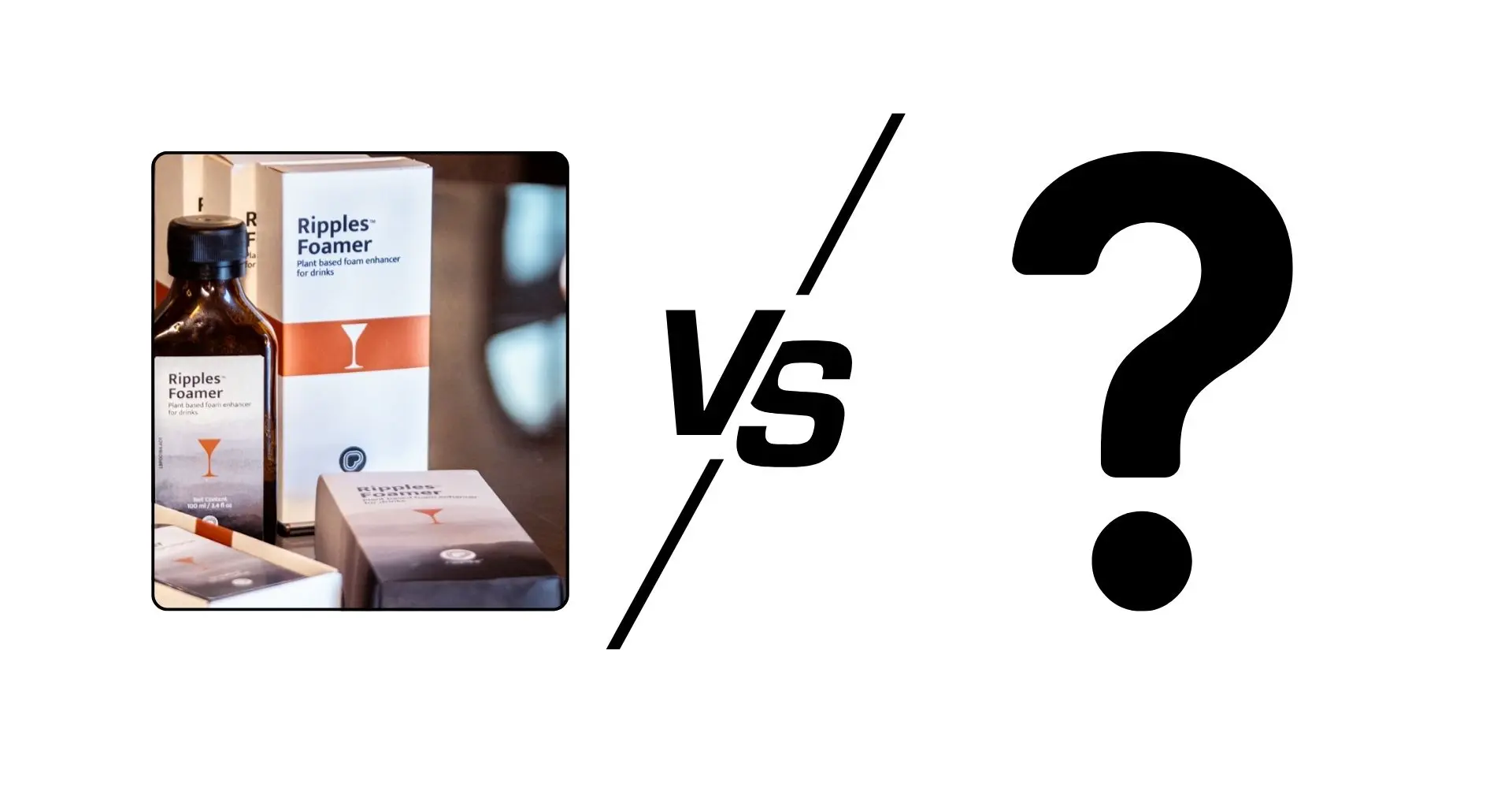
Therefore, we tested foaming options side by side:
Our Testing Methodology
Recipe used: 2 oz vodka, 3 oz grapefruit juice, plus the foaming agent at the manufacturer’s recommended dose for a single cocktail.
Dosage per product: One fresh egg white; 0.5 oz aquafaba (liquid drained from canned chickpeas); 3-4 drops Ripples Foamer.
Preparation: Each cocktail was dry-shaken for 15 seconds to build the foam, then shaken again with ice for 15 seconds to chill, and double-strained into a chilled coupe glass.
Evaluation criteria: Foam height and density at pour, visual appearance and color, aroma, effect on flavor, and foam stability, measured at 0, 5, and 10 minutes after pouring.
Environment: All three drinks were made in the same session, in the same room, at the same ambient temperature, to keep conditions consistent.
We also looked at how the leading vegan cocktail foamers on the market today, Ms. Better’s, Fee Foam, Wonderfoam, and Foamee, stack up on ingredients, cost, and what other bartenders are saying about them.
Egg White Cocktail Foam: The Classic Standard
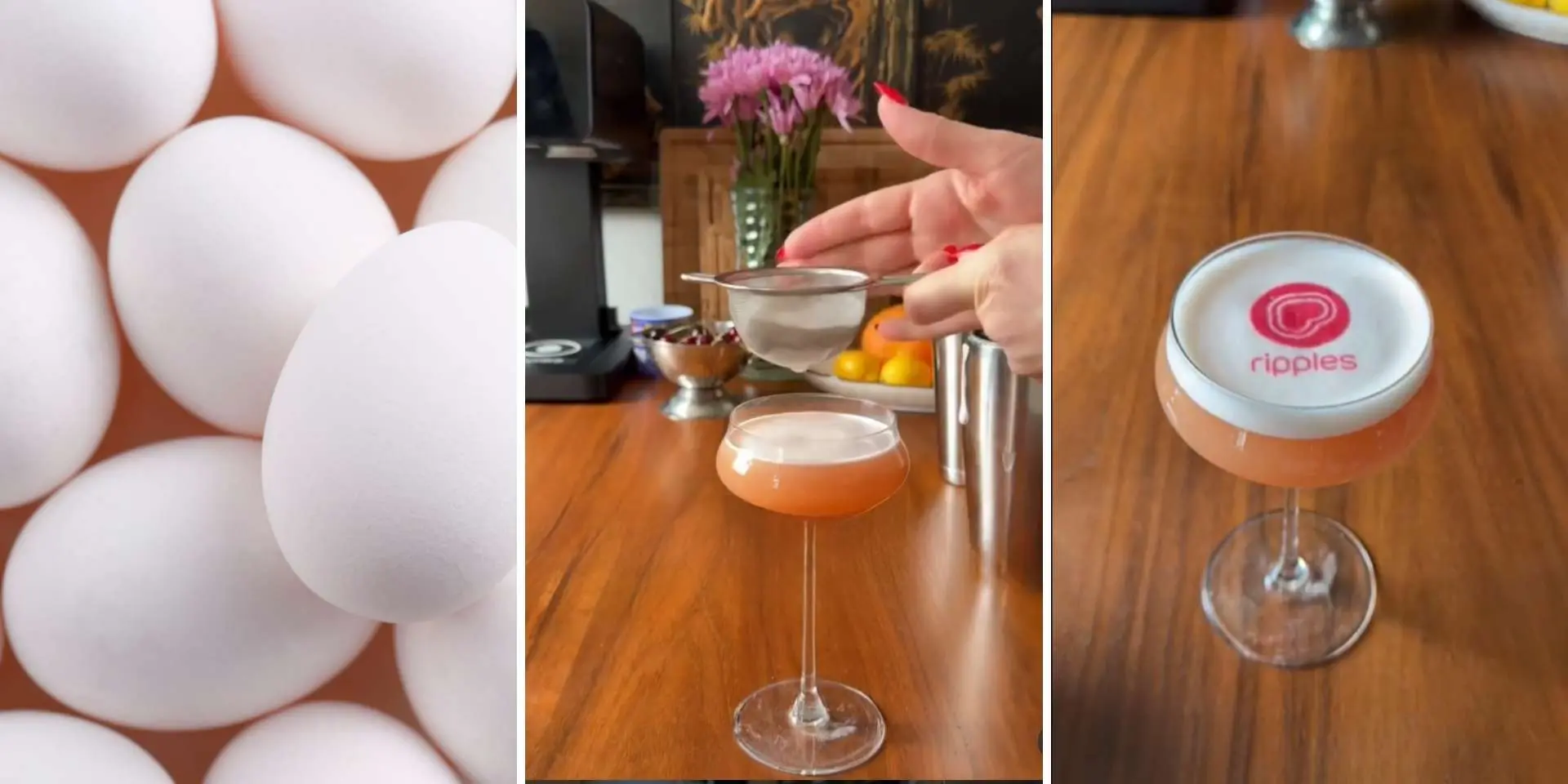
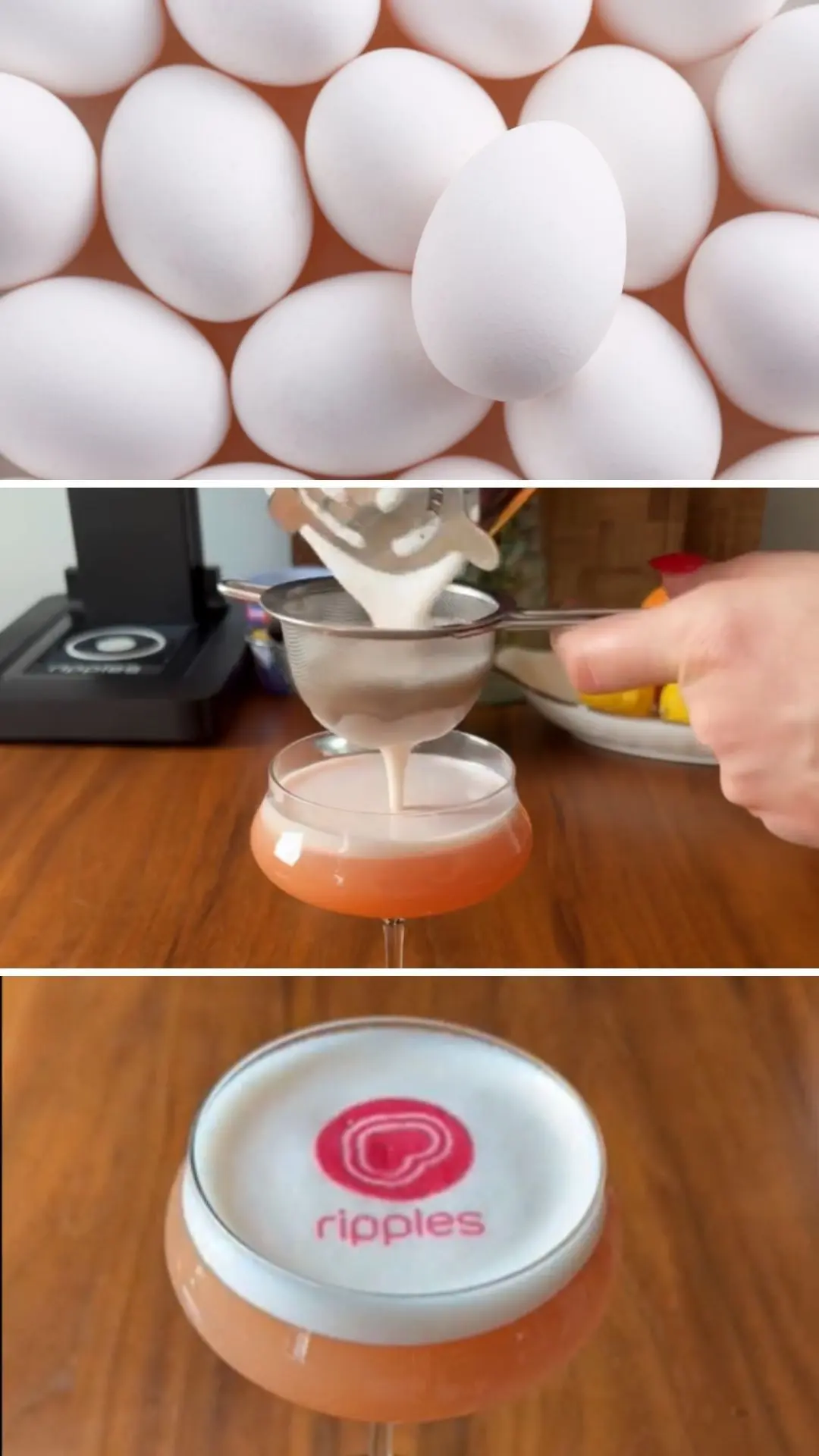
Egg whites have been behind the bar for generations. They are easy to access and create that signature frothy texture with a gorgeous sheen. In our test, the foam looked dense but was still light and airy with a creamy mouthfeel. The foam collapsed around the five-minute mark.
Pros: Traditional technique, creamy texture, no special equipment needed.
Cons: Raw egg carries a salmonella risk if not sourced and handled properly; Can be expensive; some customers are uncomfortable drinking raw egg or are vegan; has a short shelf life and requires training to master the technique.
Verdict: A classic for a reason, but costly and logistically challenging for modern, mobile bar programs.
Aquafaba in Cocktails: The Vegan Egg White Alternative
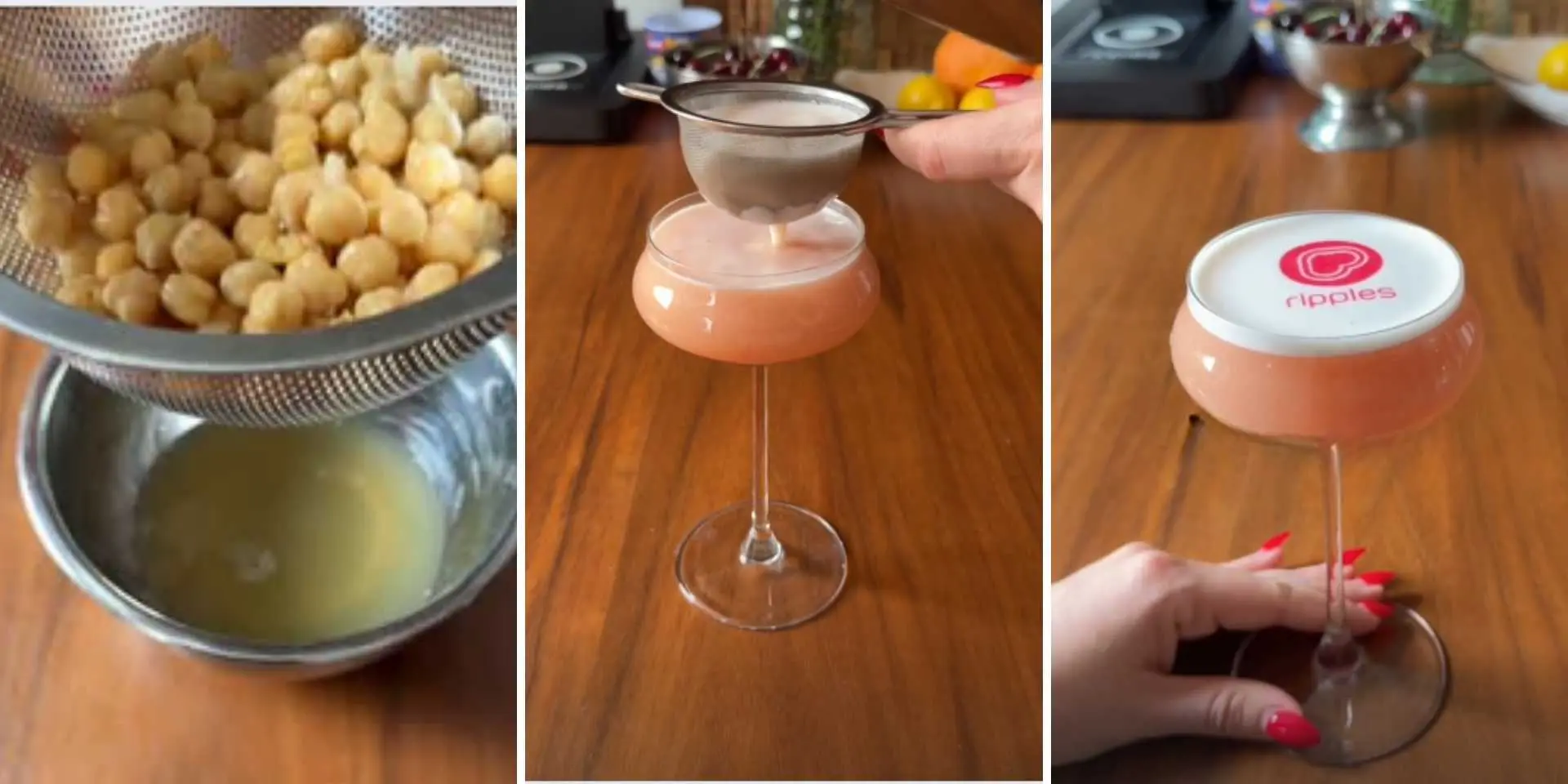
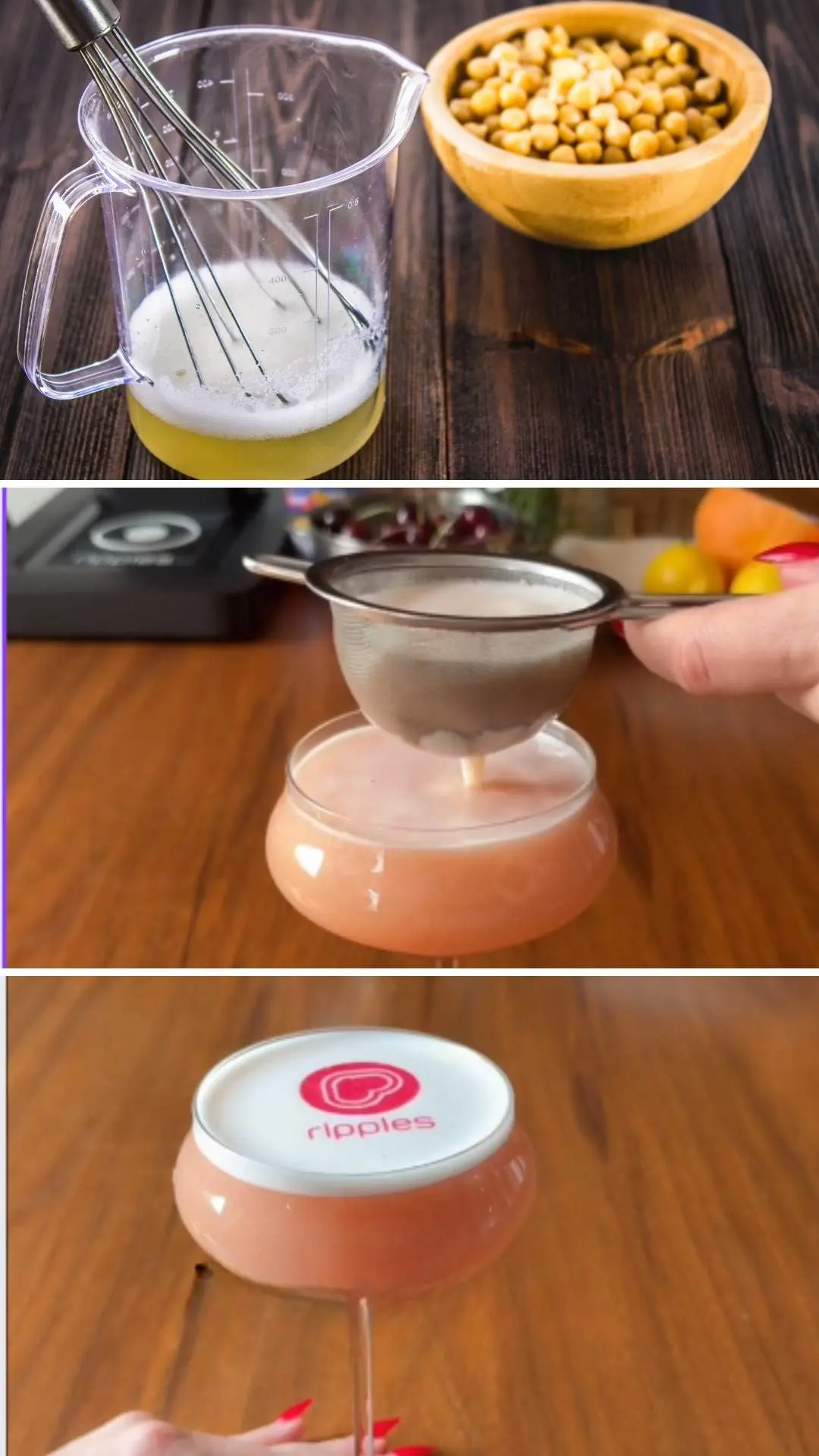
Aquafaba is the liquid drained from a can of chickpeas. In our test, it bubbled easily and created a bright white foam that was still holding reasonably well at the 10-minute mark. It carried a noticeable beany smell that we could detect in the finished drink.
Pros: Vegan-friendly, natural, stable foam, affordable, accessible.
Cons: Affects smell and flavor, Wasteful, short shelf life, extra prep and storage requirements.
Verdict: Noticeable smell and taste in our test; needs to be measured and stored separately from the canned liquid; not flavor-neutral.
Ms. Better’s Miraculous Foamer:
Ms. Better’s has built real credibility in the craft cocktail world. Its formula macerates botanical extracts in 40% alcohol, giving it a distinct formulation that differs from alcohol-free alternatives. The product is shelf-stable, vegan, and designed as an egg-white replacement for cocktails. [cocktailemporium]
The tradeoff is in the base itself: Ms. Better’s is 40% alcohol by volume. That makes it unsuitable for non-alcoholic menus and can also matter in alcoholic cocktails, since the added alcohol and botanical extracts may affect the drink’s intended flavor profile and alcohol balance. Its yield of roughly 400 drinks per bottle also runs behind several competitors.
Pros: Strong brand recognition, shelf-stable, water-soluble for pre-batching.
Cons: Contains 40% alcohol, which excludes it from non-alcoholic and dry-menu use and can also affect a cocktail’s intended flavor and alcohol balance; distinct botanical taste; lower yield per bottle; thinner foam reported by some reviewers.
Verdict: A trusted name for traditional cocktail bars, but not an option for alcohol-free service or menus that need a flavor-neutral foam.
Fee Foam:
Fee Foam has been a staple behind bars for decades thanks to its low cost, wide availability, and easy-to-use dasher bottle. Its formulation relies on ingredients such as polysorbate 80, propylene glycol, and potassium sorbate, rather than natural botanical extracts. While many bartenders consider it perfectly adequate for high-volume service, others report lighter foam and less mouthfeel than egg white or newer plant-based alternatives. [Reddit]
Pros: Widely available, low unit price, simple dasher-bottle format.
Cons: Fully artificial ingredient list, thinner foam structure, reported chemical or lemon aftertaste.
Verdict: A reasonable low-cost option for casual service, but not built for elevated bars where drinks are meant to hold their shape or carry a printed design.
Wonderfoam:
Wonderfoam is a vegan, alcohol-free cocktail foamer based on quillaja extract, making it one of the closest natural alternatives to Ripples Foamer. It is widely distributed through specialty bar suppliers, particularly in Australia and the UK, and is positioned as a plant-based replacement for egg white foams. [National Starch Food Innovation]
Where it differs is in the details: like other quillaja-based competitors, Wonderfoam includes preservatives. Because Wonderfoam is quillaja-based, some bartenders note a subtle natural aroma, although experiences vary. [Reddit] At roughly $37 per 100ml bottle yielding around 400 drinks, it also runs at a premium next to Ripples Foamer’s yield and price.
Pros: Natural quillaja base, alcohol-free, vegan, strong sustainability positioning.
Cons: Contains preservatives, mild earthy odor noted by some users, lower yield per bottle, limited US availability.
Verdict: A genuinely comparable natural option, and a higher price per bottle are real drawbacks next to the Ripples vegan cocktail Foamer.
Foamee:
Foamee has built a global distribution network across more than 50 countries and holds Halal certification. Its plant-based formula delivers roughly 625 cocktails per 100 ml bottle, making it one of the lowest cost-per-drink options in the category. [Foamee]
Pros: Plant-based, vegan, positioned for international distribution.
Cons: Contains preservatives, smaller brand with less third-party review coverage.
Verdict: A strong value pick for international or Halal-conscious venues, as long as refrigerated storage isn’t a constraint.
Ripples Foamer: Designed for Drink Performance
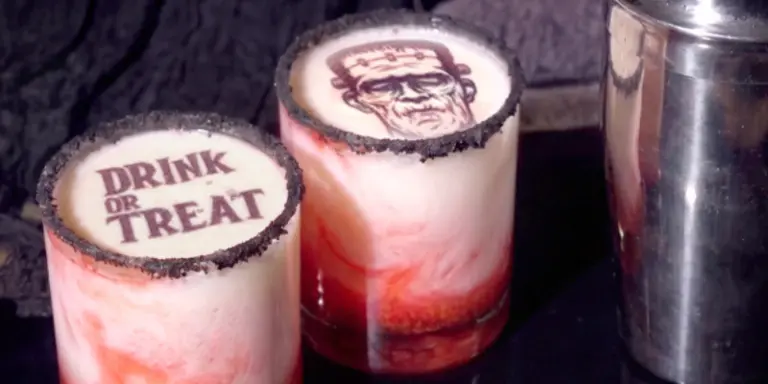
Ripples Foamer cocktail foamer, manufactured by Ripples (The company behind the award-winning Ripple Maker beverage foam printer), produced a bright white sheen with a natural but striking look. The foam held for more than ten minutes, delivering a silky texture and stable surface for prints. Logos and designs came out sharp, high-contrast, and camera-ready, with no effect on flavor, and it has no alcohol, which fits non-alcoholic menus.
Its neutral profile makes it versatile across cocktails, non-alcoholic drinks, coffee beverages, cold foam, cold brew, iced lattes, and more. Because it contains no alcohol, it also fits non-alcoholic beverage menus.
Unlike several quillaja-based competitors, the Ripples cocktail Foamer is shelf-stabilized using a humectant, rather than preservatives. That means no refrigeration is needed before or after opening, which matters for bars, caterers, and events without reliable cold storage on hand.
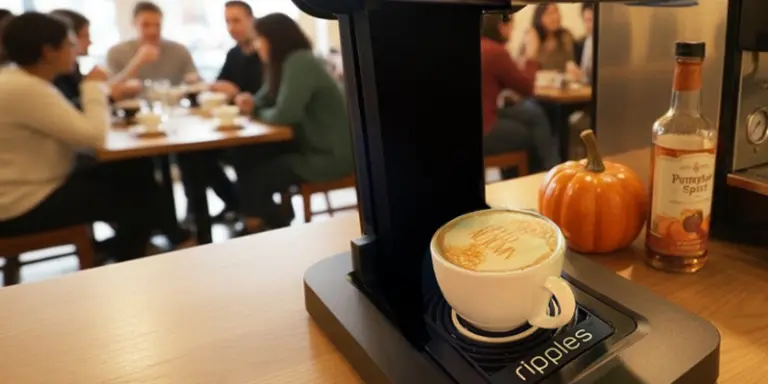
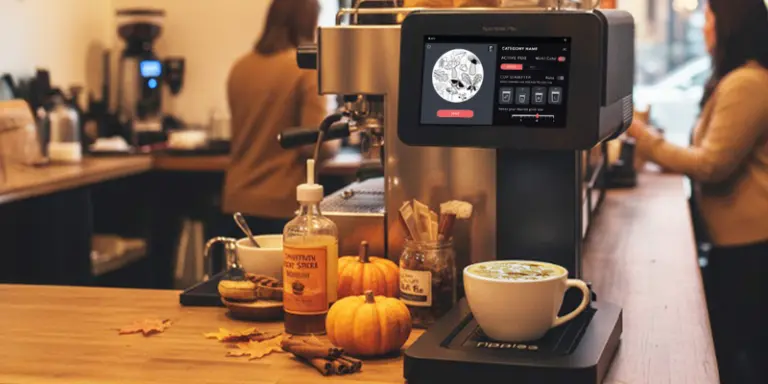
With Ripples, foam isn’t just texture; it’s a messaging platform. Paired with the Ripple Maker cocktail printer, cocktails become personalized, branded experiences that guests remember, talk about, and share.
Pros: Made from quillaja bark extract; alcohol-free; no noticeable flavor or aroma impact; stabilized with a humectant rather than added preservatives, so it doesn’t require refrigeration. Ripples knows the importance of good foam due to their award-winning foam printer, The Ripple Maker drink printer.
Cons: Medium-priced; less familiar brand-known names.
Verdict: Consistent, reliable, and fast, with a great mouthfeel. The best choice for both quality drinks and printed cocktails.
Comparison Table
| Product | Vegan | Alcohol content | Storage | Key ingredient(s) | Best use case |
| Egg white | No | 0% | Refrigerated, short shelf life once cracked. | Raw egg white | Traditional cocktail bars prioritizing classic texture and mouthfeel |
| Aquafaba | Yes | 0% | Refrigerated after opening. | Chickpea liquid | Vegan bars making cocktails with refrigerated prep don’t mind a little flavor. |
| Ms. Better’s Miraculous Foamer | Yes | 40% ABV | Shelf-stable, no refrigeration. | Botanical extracts in alcohol | Premium cocktail bars serving alcoholic cocktails and batched drinks. Less of a fit for non-alcoholic menus. |
| Fee Foam | Yes | 0% | Shelf-stable; keep in a cool, dry place. | Polysorbate 80, propylene glycol, potassium sorbate | Budget-conscious bars where cost and availability matter more than ingredient profile or presentation. |
| Wonderfoam | Yes | 0% | Cool, dry, and dark place at room temperature. | Quillaja extract, gum arabic, starch | Budget-conscious bars where cost and availability matter more than ingredient profile or presentation. |
| Foamee | Yes | 0% | Keep in a stable, cool, and dry place. No Refrigeration. | Plant-based extract | High-volume operations prioritizing maximum yield and low cost per drink. |
| Ripples Foamer | Yes | 0% | Shelf-stable. Keep in a cool, dry place. No refrigeration, | Quillaja bark extract | Premium hospitality, hotels, bars, caterers, and branded events seeking a clean-label, alcohol-free foamer with no added preservatives, no refrigeration, and a stable surface for drink printing. |
The Bottom Line on Cocktail Foaming Agents
Egg whites are traditional and produce a beautiful, creamy foam, but the food safety risk and short shelf life make them hard to justify for high-volume service. Aquafaba is a solid vegan option with real staying power, though the beany aroma is a genuine drawback for delicate cocktails.
Among the market-leading vegan foamers, Ms. Better’s carries the strongest brand reputation but is ruled out for alcohol-free service by its 40% ABV base and distinct botanical taste. Fee Foam is the cheapest and most available, but its artificial ingredients and thinner foam make it a compromise for drinks meant to be photographed or printed. Wonderfoam and Foamee share a natural quillaja base similar to Ripples Foamer, but each requires either preservatives or refrigeration after opening, an extra logistical step that matters for busy bars, caterers, and off-site events.
Ripples Foamer is the only option in this comparison built specifically for drinks meant to be seen: stable, flavor-neutral foam that holds long enough to plate, photograph, and print. Bars that want to stand out need a foamer that goes beyond texture, and Ripples Foamer delivers on consistency, presentation, and performance. When you’re ready to take the next step, the Ripple Maker cocktail printer lets you turn that foam into personalized, branded cocktails that boost both sales and engagement.
Disclosure
Ripples manufactures the Ripples Foamer featured in this article. We’ve aimed to represent every product here fairly and to base competitor information on published specifications and reviews rather than on our own side-by-side testing, except where noted below.
To be transparent about our methodology: we conducted an in-house side-by-side test of egg white, aquafaba, and Ripples Foamer. We did not run our own side-by-side test on Ms. Better’s Miraculous Foamer, Fee Foam, Magic Velvet, or Wonderfoam. Information on those three products below is drawn from their published ingredient lists, pricing, and third-party reviews, with sources cited in each section and listed in full at the end of this article.