The French Martini is a modern cocktail that gained popularity in the 1980s. Despite its name, it was created in the United States, with disputed origins. One story credits bartender Keith McNally, who mixed vodka, Chambord, and pineapple juice at “The Odeon” bar in New York City. Another version attributes its creation to a bartender named Chambord at the Hôtel Ritz in Paris. Regardless of its origins, the French Martini’s sweet and fruity flavor has made it a beloved classic on cocktail menus worldwide.
This is one of the first recipes we shared that gets its frothiness from pineapple juice, which adds a light and foamy texture to the drink. Here are some special tips to get the best results when you’re making pineapple foam:
- Choose Fresh Pineapple Juice: Whenever possible, use freshly squeezed pineapple juice for your cocktail. Fresh juice tends to have better natural enzymes and proteins, which contribute to a more robust and stable foam.
- Shake Vigorously for a full minute: To create a frothy texture, shake the cocktail ingredients vigorously with ice. The shaking action introduces air into the mixture and helps create a light and fluffy foam.
- Use a Dry Shake: Before adding ice to the cocktail shaker, perform a “dry shake” first. This means shaking the pineapple juice and other ingredients without ice for about 10-15 seconds. The dry shake helps emulsify the cocktail and further enhances the foam.
- Incorporate High-Alcohol Content Spirits: Using spirits with a higher alcohol content, such as vodka, can also contribute to a better foam formation when combined with pineapple juice. The alcohol helps stabilize the foam structure.
- Double-strain the Cocktail: When pouring the cocktail into a glass, use a fine-mesh strainer to prevent any ice chips or larger pieces from disrupting the foam.
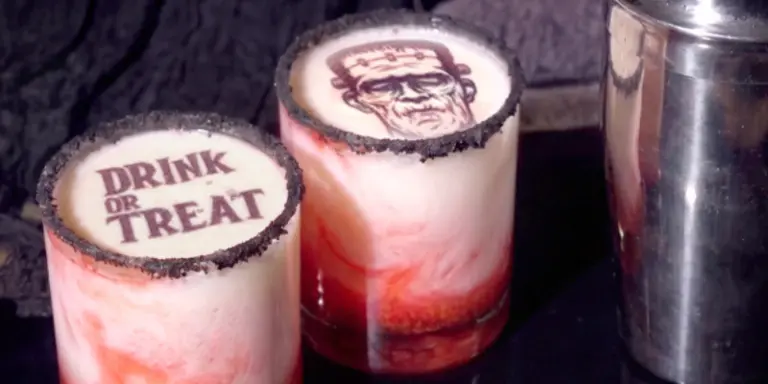
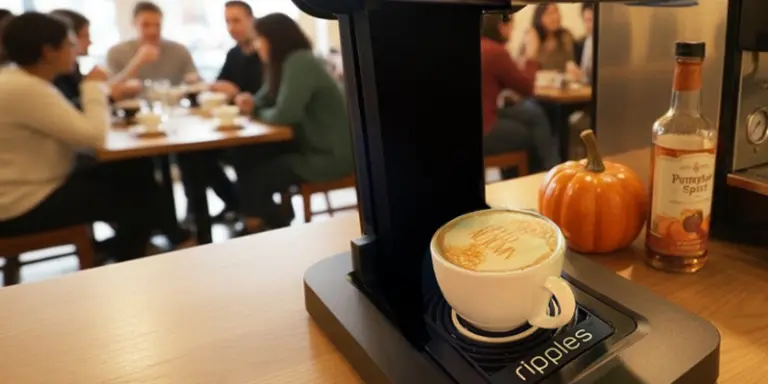
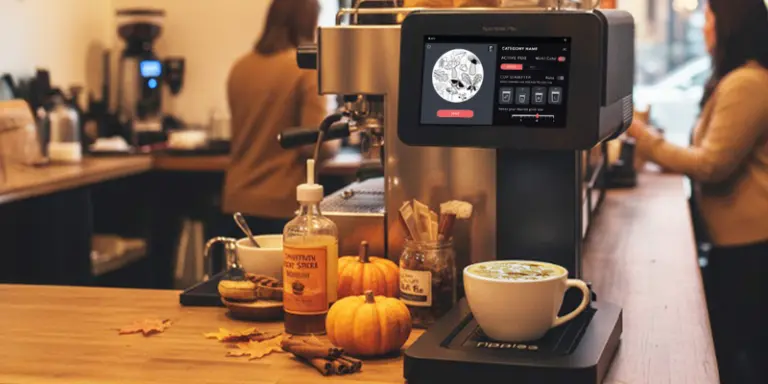
Remember that achieving the perfect foam-topped cocktail may take a bit of practice and experimentation. You can always add a touch of egg-white, or, our favorite recommendation, dried aquafaba powder, to the shaker to guarantee a stable, longer-lasting foam. But with some fine-tuning and attention to detail, you can create a visually stunning and delicious Ripples-topped cocktail cocktail with pineapple juice as the star ingredient.
An 80s favorite classic that probably isn’t French and isn’t really a martini
Equipment:
* Cocktail Shaker
* Strainer
* Ripple Maker
Ingredients:
- 2 oz vodka
- 1 oz Chambord ((raspberry liqueur))
- 1 oz fresh pineapple juice
- ice
Instructions:
Add the vodka, Chambord, and pineapple juice to your cocktail shaker
Dry shake for 20 seconds
Add ice, wet shake for 1 minute. Shake vigorously
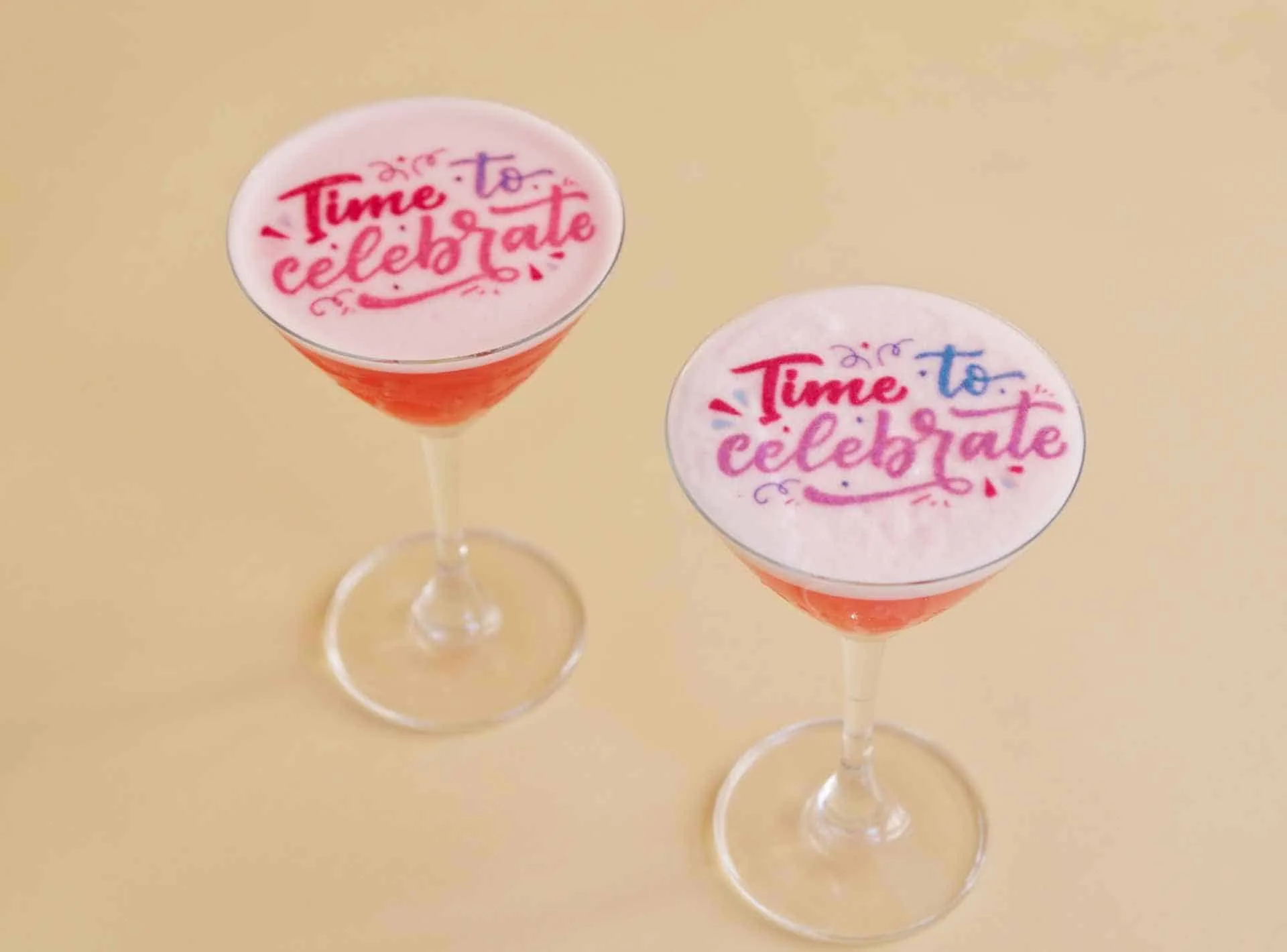
Strain the cocktail into a 4 oz. martini glass, fill to the brim
Top with your favorite Ripples print