Do your guests just see your property as a place to sleep? If they’re buying their morning coffee at the cafe down the street or heading to a local lounge for pre-dinner cocktails then that’s revenue your property isn’t seeing.
The good news? Small shifts on your property can make a real impact on capturing that spend.
The Strategy at a Glance: Maximizing Onsite Guest Revenue
- The Challenge: Hotels are winning the room booking but losing daily hospitality spend to local offsite competitors.
- The Financial Stakes: Shifting focus from room rates to total spend drives F&B to generate 20% to 45% of total hotel revenue, and when day guests are welcomed to enjoy onsite amenities they typically spend double compared to overnight guests.
- The Strategy: High-margin experiential food and beverage programming keeps guests on-property by turning food service into moments worth remembering.
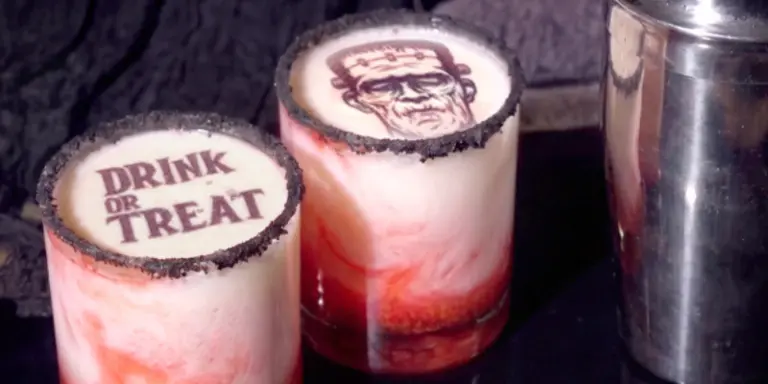
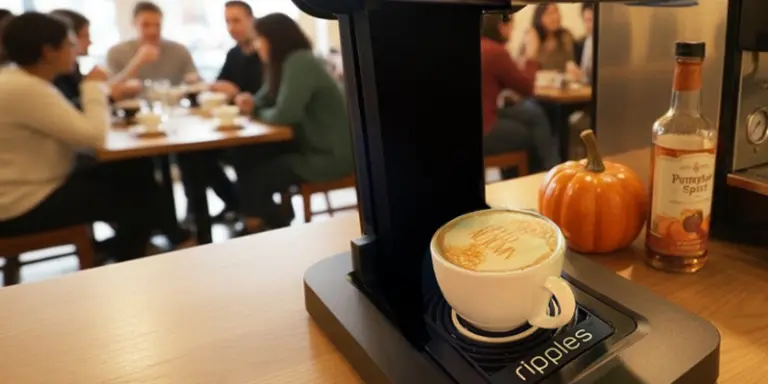
- The Case Study: Leading luxury properties like The Yeatman in Portugal use a coffee and cocktail printer (the Ripple Maker) as a plug-and-play tool to drive hotel ancillary revenue. By adding illustrations of local landmarks or custom messages to coffees and cocktails, they turn standard beverage service into an active marketing channel that delights guests and prompts immediate second-round orders.
The Shift From Room Revenue to Total Revenue
For decades, hotel profitability relied on a simple formula: fill the rooms, raise the rates, repeat. But that traditional model is flatlining. Recent industry data shows that room revenue growth has stalled globally, and rising operational costs are eating into already thin margins.
The properties that are thriving today look beyond the bed night. Instead of just trying to sell more rooms, they focus on earning more from every person that walks through their door. This is the difference between basic room revenue and total revenue. Industry research shows that hotels actively developing these extra streams of onsite spend see significantly higher profitability than those that rely on room rates alone. That is a massive competitive advantage, and it comes down to a deliberate strategic choice.
Three Ways Leading Hotels Drive Onsite Spend
1. Experiential F&B
Forward-thinking properties treat food and beverage as an experience destination in its own right, creating spaces that both traveling guests and local residents actively seek out. High-margin concepts like truffle hunting and themed dining nights command premium pricing because they deliver unique memories and a distinct story worth telling.
The financial data strongly supports this shift: experiential food and beverage concepts encourage guests to stay on-property longer, directly driving up average check sizes. However, hoteliers don’t always need to plan massive events to see these returns. To successfully increase hotel ancillary revenue, properties are turning to scalable tech solutions, like a cocktail printer, to build automated, repeatable micro-experiences right into their daily menu items.
2. Opening the Property to the Community
One of the most significant untapped revenue opportunities in hospitality isn’t the traveling guest, it’s the guy who lives 10 minutes away.
Hilton’s partnership with ResortPass, which lets locals book day access to hotel pools, spas, and dining, reflects a broader industry recognition: your amenities are sitting idle during off-peak hours, and there’s a market ready to pay for them.
ResortPass day guests spend an average of $250 on property. Over 56% of day-pass bookings happen on weekends, and properties that bundle a food and beverage credit see even stronger uptake.
The day-pass model isn’t a discount play. It’s a revenue activation strategy for assets you already own.
3. Activating Underused Spaces
Rooftops, pool decks, courtyard gardens, and lobbies often sit completely idle for large parts of the day. This represents a massive missed opportunity. The HSMAI Ancillary Revenue Strategy Playbook (released in 2025) specifically calls out space activation as one of the highest-return opportunities available to hoteliers.
These areas should never be treated as passive square footage. With the right programming, they quickly transform into active revenue venues and natural social media magnets.
The St. Regis nightly champagne sabering transforms a standard lobby into a theatrical, highly photogenic event that draws guests down to the bar at peak hours.
Introducing a sunset cocktail hour, a weekend brunch series, or a local wellness class gives guests a distinct reason to gather on the property and spend their money onsite.
How The Yeatman Hotel Keeps Their Guest’s Attention
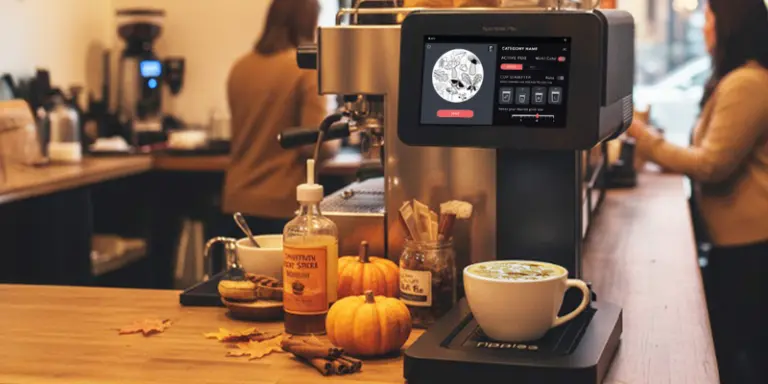
At The Yeatman, a five-star wine hotel overlooking Oporto, Portugal, food and beverage is treated as a core vehicle for property retention. To prevent guests from drifting off-property, Food and Beverage Manager Joana Mendes integrated the Ripple Maker drink printer across the property to turn standard menus into active brand touchpoints.
Maximizing Property-Wide Touchpoints
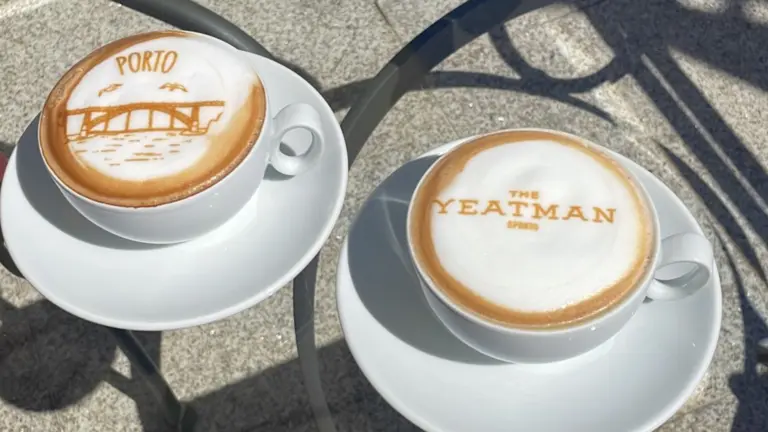
The Yeatman prints custom latte art prints and cocktail prints on all foam-topped beverages in both the Breakfast Room and at Dick’s Bar. To keep the experience dynamic, the hotel’s marketing team designs custom graphics, including local landmarks like Oporto’s iconic historic bridge, that align with live local events, transforming a routine morning latte into a timely and meaningful touchpoint for their guests
Eliminating Operational Friction
Hoteliers routinely reject experiential programming out of fear that it will slow down service and hurt turning tables. Mendes found the exact opposite to be true, reporting that the Ripple Maker coffee and cocktail printer “doesn’t hinder our operational flow in any way.” The Yeatman is able to scale their personalized hospitality for peak hours without adding operational drag.
Delighting Their Guests (And Selling Second Rounds)
The actual operational payoff is how it alters guest behavior to drive onsite revenue. “The guests are always surprised and delighted by the prints on their beverages,” Mendes explains. “They love the experience so much that they often take numerous pictures and even order second drinks to enjoy different prints.” Ripples is an easy, engaging way the hotel gets guests to spend mealtime onsite.
Read our full conversation with The Yeatman team.
The Retention Engine: Using Micro-Moments to Maximize F&B Revenue
In today’s market, maximizing your bottom line comes down to property retention, but it doesn’t require a guest chef or an operational overhaul. Implementing a Ripple Maker drink printer into your existing beverage program is one of the easiest, lowest-friction ways to turn standard menus into high-return assets. Get in touch if you’d like to chat about how printed drink art can help you unlock onsite spending at your hotel.
FAQs
Hotels can drive higher ancillary F&B spend by shifting from passive dining to experiential programming. High-margin tactics include hosting mixology workshops, creating photogenic ritual events (like the St. Regis Sabrage), and utilizing beverage top printers to incentivize second-round drink orders.
Space activation is the strategic practice of transforming underutilized hotel real estate—such as empty lobbies, rooftops, or daytime bars—into active, revenue-generating venues through targeted community programming, local day-pass access, and collaborative events.
Not at all. The Ripple Maker is a compact, countertop-sized appliance designed for quick, hassle-free deployment. It requires no plumbing or water hookups. It runs on a standard wall outlet (100 to 240 VAC) and will connect to your local WIFI network.
The Ripple Maker prints with plant-based color extracts including coffee, malted barley, and black carrot. They add a stunning visual layer without changing your recipes, altering textures, or interfering with your premium ingredients.
Unlike generic novelty printers, the Ripple Maker is commercial-grade technology engineered specifically for high-volume hospitality environments. It is the preferred choice for hotels due to three main advantages:
Commercial Speed: It prints intricate designs in under 10 seconds, ensuring zero operational bottlenecks during peak morning rushes or busy evening cocktail hours.
Property-Wide Versatility: The device automatically adjusts for varying glassware sizes, allowing staff to seamlessly switch between morning lattes, poolside beers, and evening sours.
Event-Ready Branding: High-resolution multi-color printing perfectly replicates corporate logos for conferences and custom graphics for weddings, driving high-margin banqueting revenue and immediate social media exposure.