At some point over the last few years, it started to feel like you couldn’t run a successful coffee shop unless you gave yourself a second full-time job as a digital content creator.
You’re already managing staff, chasing late deliveries, and troubleshooting an espresso machine that only seems to act up during the 8 AM rush. And now you have to post every day just to stay top-of-mind? Then the algorithm shifts, and now you have to film skits with your baristas!?
Most independent café owners aren’t debating whether social media matters. They’re trying to figure out how much is enough, and what strategies they can do to maximize their very limited amount of available time.
Key Takeaways: How to Market Your Coffee Shop on Instagram
- The 2026 Reality: Local customers use Instagram like a local search engine to check your menu, vibe, and hours before visiting.
- The UGC Advantage: 92% of consumers trust peer recommendations over brand ads. Driving user-generated content (UGC) is the fastest way to grow your reach.
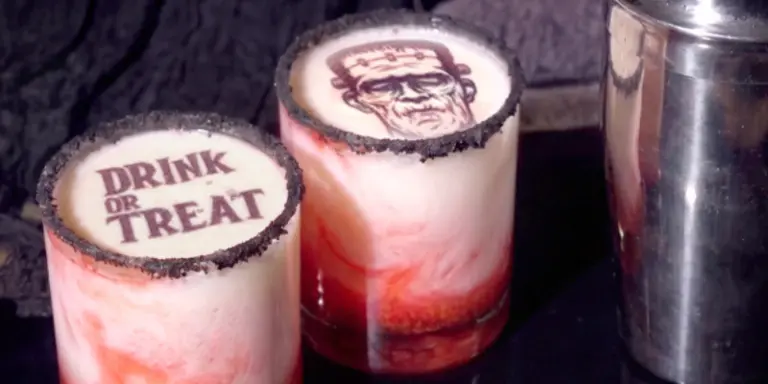
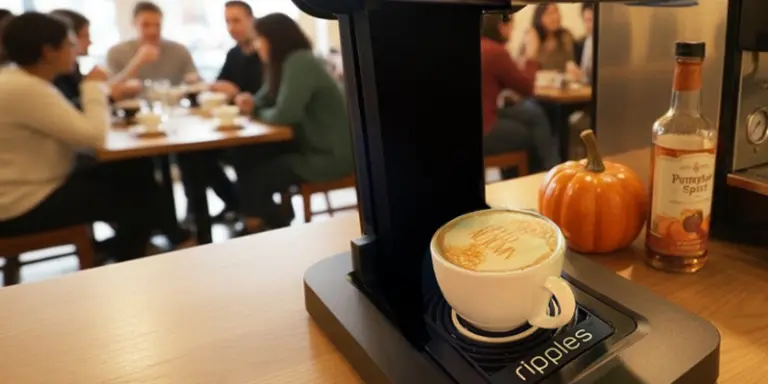
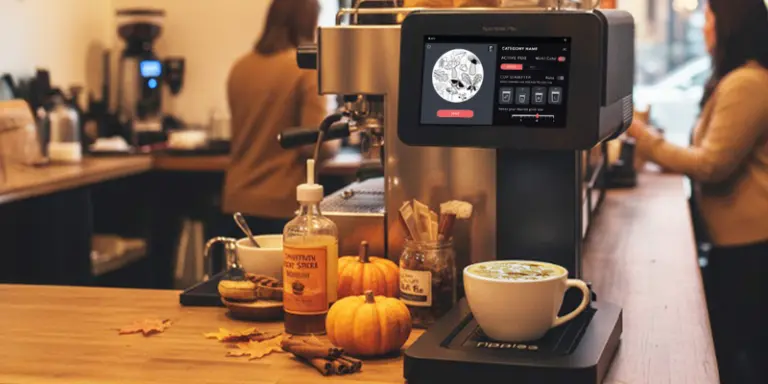
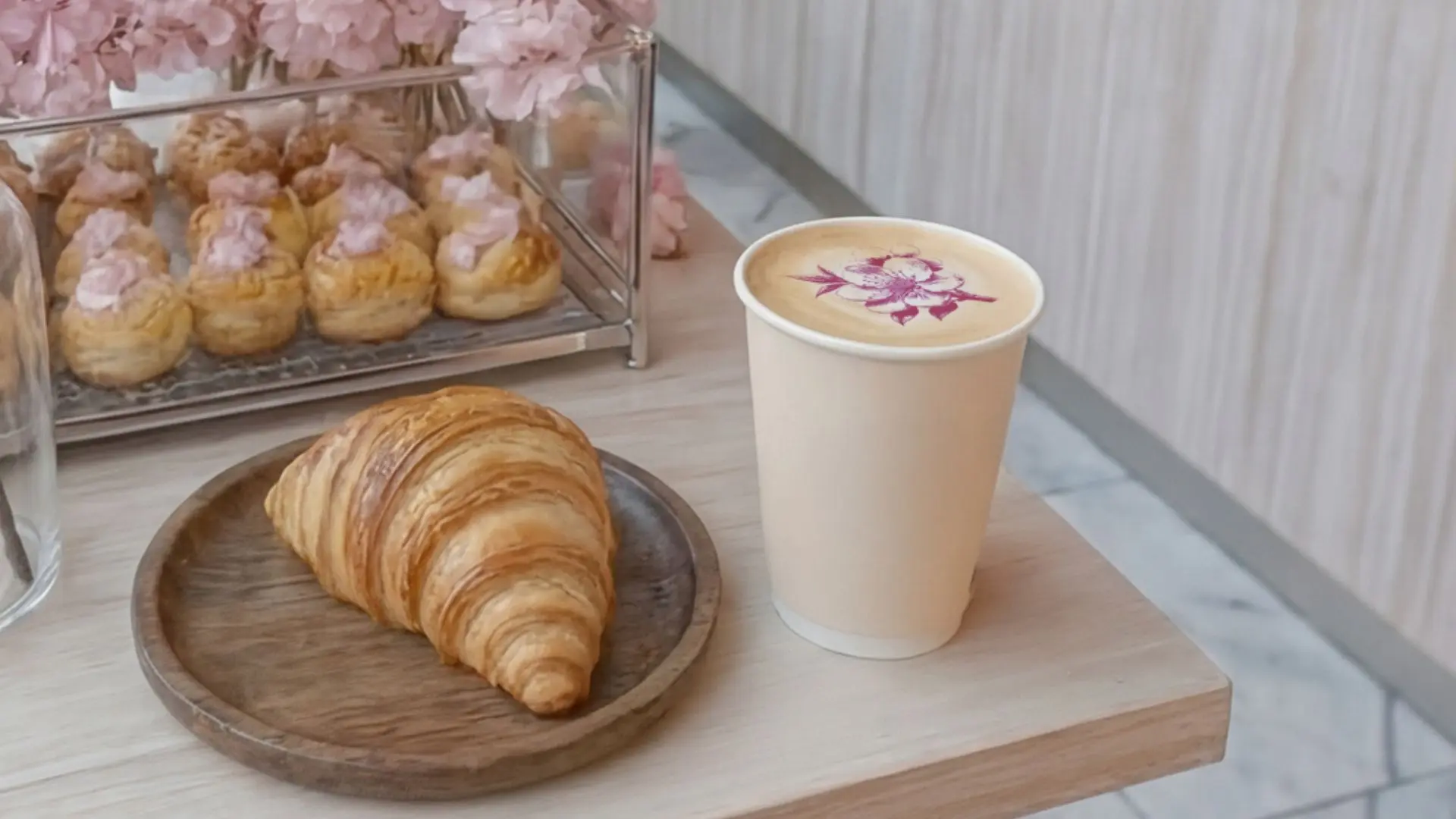
- Experiential Hospitality: The Ripple Maker (also known as a coffee printer or latte art printer) prints high-resolution custom images onto foam, instantly transforming a standard drink into an interactive experience.
- Double the Share Rate: Data from 5,000 global posts shows that drinks with a Ripples print are shared twice as often as regular lattes, making it an easy, repeatable way to turn your customers into an active team of local micro-influencers.
Does My Coffee Shop Actually Need Instagram?
Well, yes. And your profile (or missing profile) is already doing that work whether you’re tending to it or not. Your local customers check Instagram before visiting somewhere new. They don’t really care that much about your hilarious captions, but they want to see what your menu looks like, get a feel for the space, and confirm you’re still in business. A feed that hasn’t been updated in months sends the wrong kind of message. So does one that looks like someone typed ‘cafe picture’ into an AI image generator.
However, needing an Instagram presence for your coffee shop doesn’t mean you need to spend hours creating content from scratch. It means you need to pay attention to the content your customers are creating, and create easy ways to encourage them to do so more often. Maximizing your social media marketing for your coffee shop just requires you giving your customers a reason to post.
How Drink Prints Can Get You More User-Generated Content (UGC) for Cafés
I don’t know if this is good or bad news, but the content that actually drives new customers rarely comes from your own posts on your business account or even from influencers. A recent study shows that 86% of consumers trust brands that use UGC more than they would influencer-created content. Furthermore, data compiled by Comscore reveals that user-generated posts drive a 28% higher engagement rate than standard corporate updates. So the best question you should be asking is what makes a customer want to post about your café in the first place.
The key is shifting from traditional service to experiential hospitality.
One easy way to do this, taking a lesson from luxury retail brands, is with a latte art printer.. When a customer gets a drink printed with their dog’s face or an inside joke, they’ll nearly always take a photo to share.
Sena Cundioglu, Marketing Manager at Café Georgetown, describes exactly how this played out with their Ripple Maker coffee printer:
“Once we started introducing the Ripple Maker online and talking about it more to the customers they started coming with their requests.…They started pretty much sending the logos that they like or the brands and tagging [us] and it became viral online, mostly on Instagram. Everyone wanted to have that experience.”
Café Georgetown’s reach soon expanded far beyond its local customer base.
“In our online platforms we started getting more followers all over the states. We had bloggers [start visiting us] from California, New York, Boston, just to have a printed drink.” Cundioglu explains. “It helps our branding. It’s how we became popular in the Georgetown area with our custom unique designs.”
A Latte Art Printer Could Get You Tagged in Customer Drink Posts Twice as Often
We looked at 5,000 organic Instagram posts from coffee shops with Ripple Makers around the world. The data was clear. 62% of all drink posts included a custom print. This means that drinks with a Ripple Maker print are shared twice as often as a regular latte. Simply adding a Ripple Maker drink printer could help you effortlessly double your UGC.
You Don’t Need to Post More; You Need Latte Art Your Customers Want to Photograph
The reality is that your coffee shop absolutely still needs an Instagram presence, but you don’t need to sacrifice your time behind the bar to maintain it.
Instead of chasing the algorithm, the goal is to let your menu do the work through experiential hospitality. Every latte or cold foam iced coffee is a canvas for a connection with a guest. They’ll turn into a team of micro-influencers directly showing off your coffee shop to their friends and neighbors. Not to mention a message on top of your latest menu item is an incredibly easy way to make your own eye-catching announcements.
When your own updates and your customers’ organic posts work together, you can easily secure your online visibility without reinventing the wheel every week.
The coffee shops winning on Instagram aren’t necessarily posting ten times a week. They’re the ones who serve drinks people want to post. Curious whether a Ripple Maker would help you get more UGC? Learn more.
FAQ
Yes. Modern consumers use platforms like Instagram as local search engines to evaluate menus, verify business hours, and view the overall aesthetic of a cafe before visiting.
The most effective way to drive organic UGC (user-generated content) is through experiential hospitality. By serving drinks with personalized prints or custom messages via a custom latte art machine, you give guests a personal reason to photograph and share their order with their network.
Yes. Many cafes use their Ripple Maker (a commercial latte art printer or coffee printer) as a highly effective, viral organic marketing engine, cancelling their need to rely on paid ads. Some cafes also create higher-priced menu items or charge a premium for printed latte art.
See our full comparison guide for the detailed breakdown. The short version: reliability, ingredients, and content management built for commercial volume rather than occasional experimentation.