We don’t know which is harder to believe: The fact that it’s been a year since the previous edition of this post was published or everything that has happened since then. Typically, annual trend lists struggle to find new and exciting shifts to discuss, but the past 12 months were so different from everything we’ve ever experienced that our main challenge was to focus on the most meaningful trends to help you prepare for the upcoming year.
Needless to say, the following list is heavily influenced by the COVID-19 pandemic that has turned our world and the Food and Beverage industry upside down. Social distancing regulations, supply chain changes, and accelerated digital transformations are responsible for many of the trends on our list. It’s safe to say that things are not the same.
On the move: F&B mobility
Indoor dining limitations, lockdowns, and quarantines made F&B providers realize they have to start moving to stay in business. In the past year, 92% of restaurants operated off-premise.
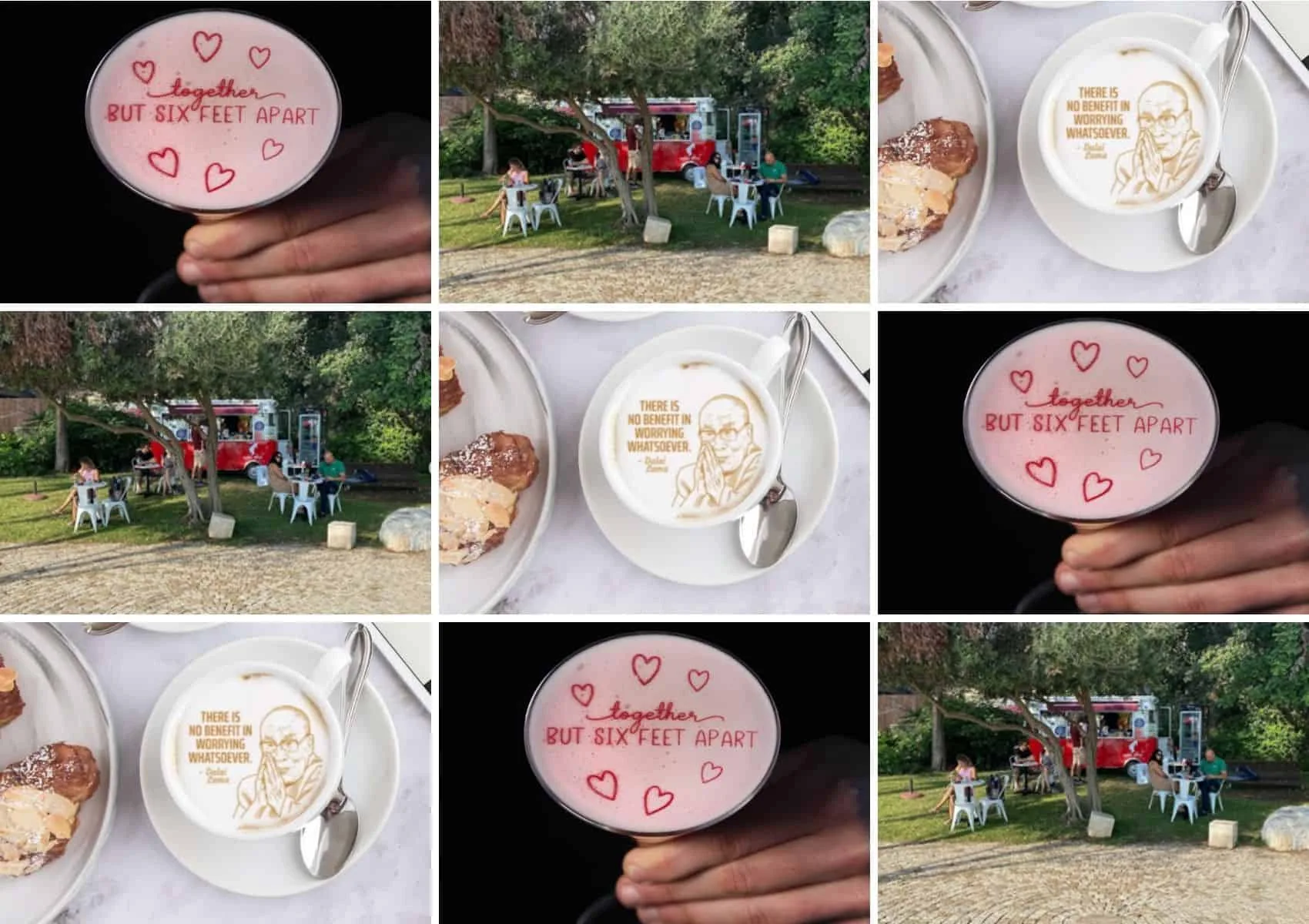
- Food trucks: Food trucks, coffee trucks, and dedicated parks pop up like mushrooms after the rain. In Israel, the city of Haifa announced a special food truck initiative providing permits to local business owners. This is a safer way to serve customers that allows both mobile and stationary options.
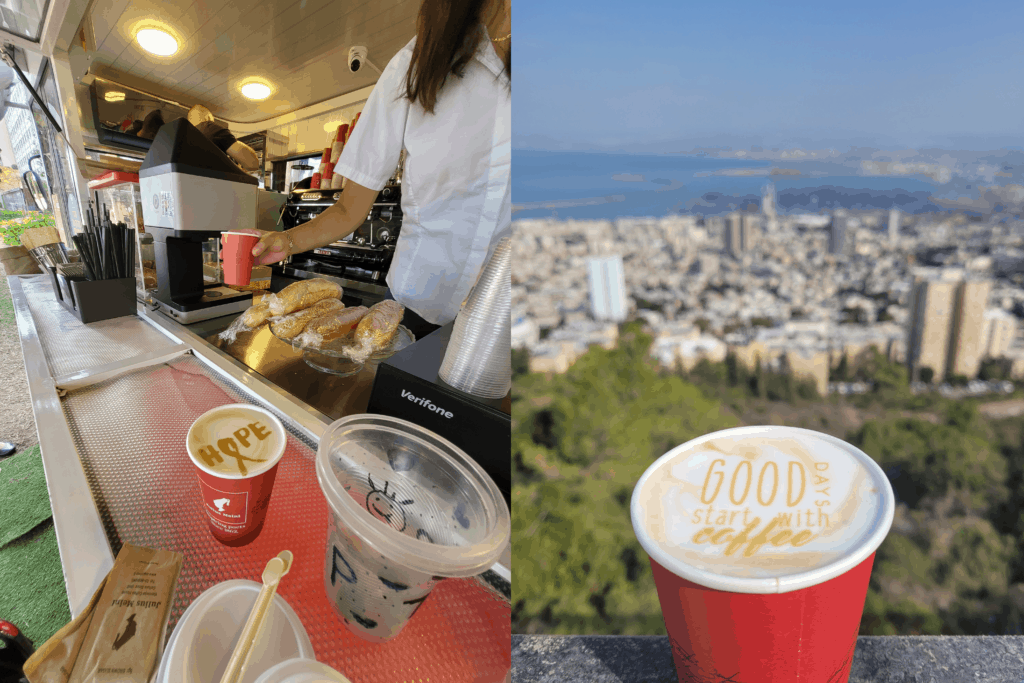
- To-go: On-the-go consumption and outdoor experiences like picnics are on the rise for the same reasons. Coffee to-go has been around for years, but we now see this trend in the alcoholic beverages section. New regulations allow off-premise alcohol delivery, and support in making this trend permanent reaches 85%.
- Home delivery: The global Google search volume for terms like “food delivery” reached an all-time high earlier in 2020. F&B businesses had to reinvent themselves to meet market demand on delivery. This includes several logistic challenges of building packaging and delivery infrastructures, changing the menu, creating unique remote experiences, and working with 3rd parties. According to McKinsey, certain meal delivery startups report a month-on-month demand increase of 25%.
What we can learn: Companies should learn how to extend their brand and create off-premise experiences.
Personal business: Personalized consumption experiences
Treating customers as individuals is always essential, but this year, personalization reached the next level.
- Customers take brands personally: Almost 70% of Americans want to support food brands that promote the social, political, and environmental values they believe in. Customers want to know what brands stand for and check their background as well as the ingredients list.
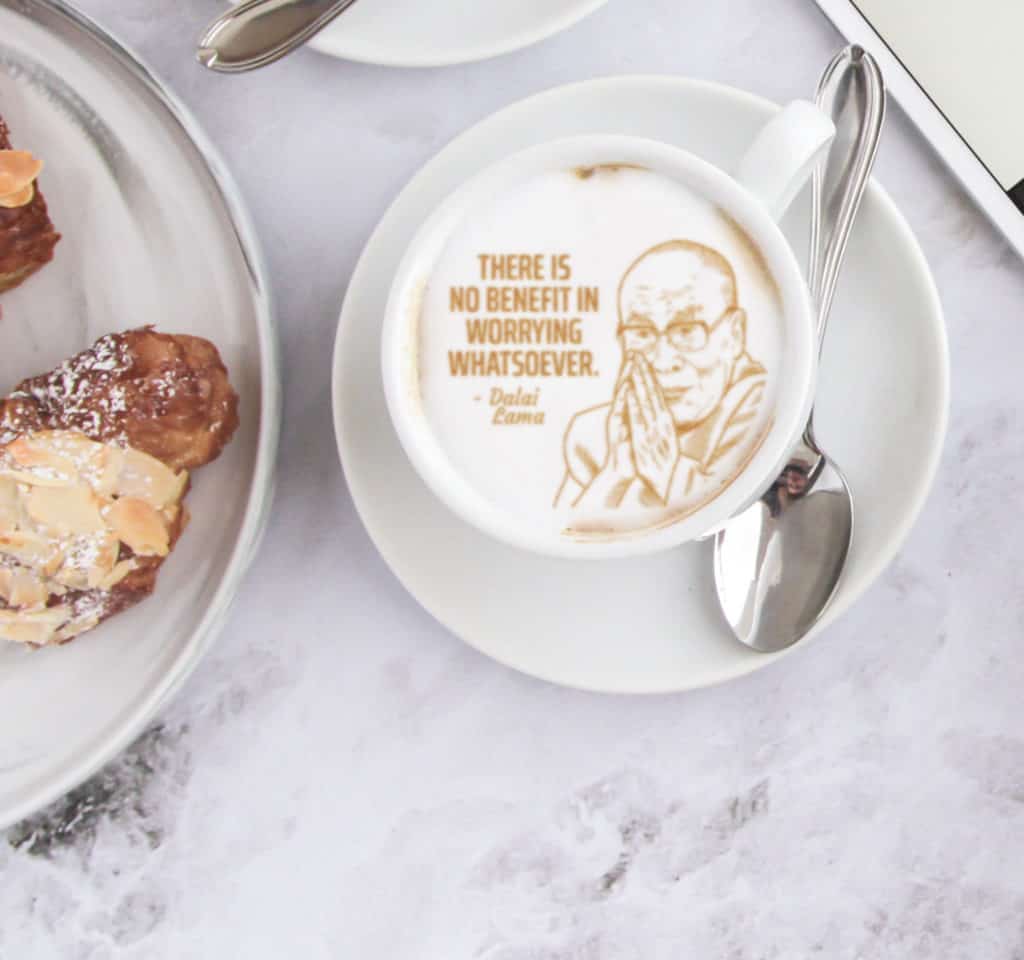
- Self-expression: Gen Z consumers consider food a form of self-expression. Customers comment on social media and want brands to consider their opinion when creating products and experiences.
- DIY meal and cocktail kits: Audiences started preparing their own meals and drinks, with more than 50% reporting that they cook more and feel more confident in the kitchen. Some even bake bread and grow a vegetable garden. As a result, Grubhub reports that meal kit orders increased by 55%.
- Personalized messages: Customers are very clear about their interest in a personalized experience. Almost 50% are willing to wait longer for a personalized product and base their need for personalization on the desire to be unique. Personalized content they can share on social media is on the wish list.
- Celebrity drinks: Famous personas allow customers to feel a personal connection to brands. That is true when a celebrity is a presenter, and even more so when they are the brand owner. In 2020, Ryan Reynolds sold his Gin Company, Aviation American Gin, to UK spirits giant Diageo for for $610 Million.
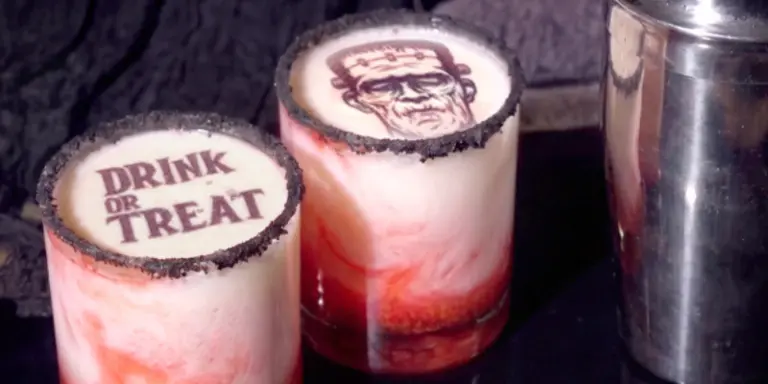
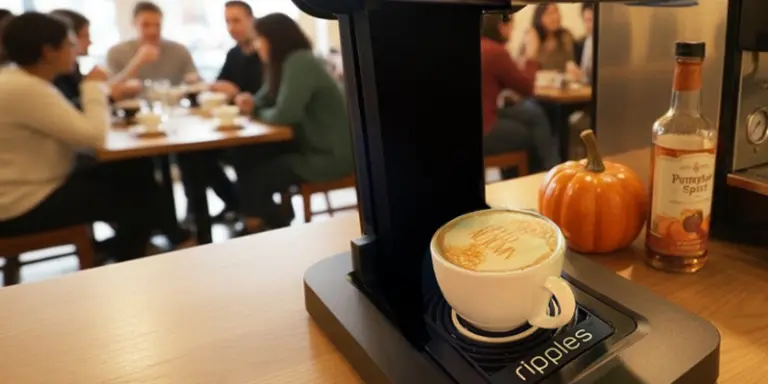
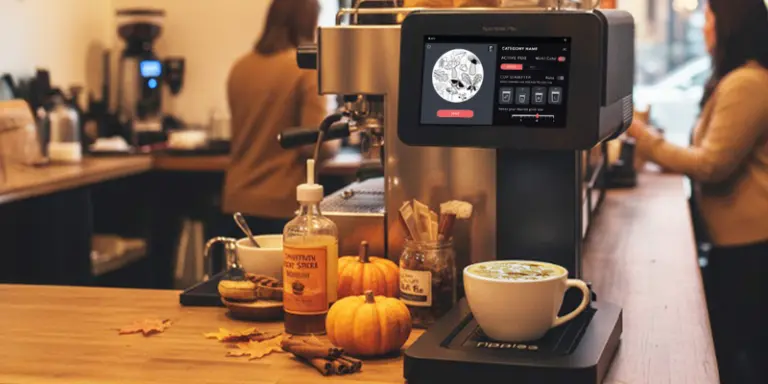
What we can learn: Brands should offer a personal, customized experience for customers to participate in. Ripples’ Web App, which allows users to upload and print images on drinks is a good example.
Clean food: Health and wellness
No, we don’t mean the trending diet. This trend is all about the current critical focus on health, which is always important but is gaining momentum right now.
- Contactless purchasing journeys: During social distancing periods, customers choose to order online or use contactless payment options, with nearly 80% stating that they changed their payment method to reduce contact. The US market reported a 20% increase in contactless operations, and online F&B transactions were up 190% in early 2020.
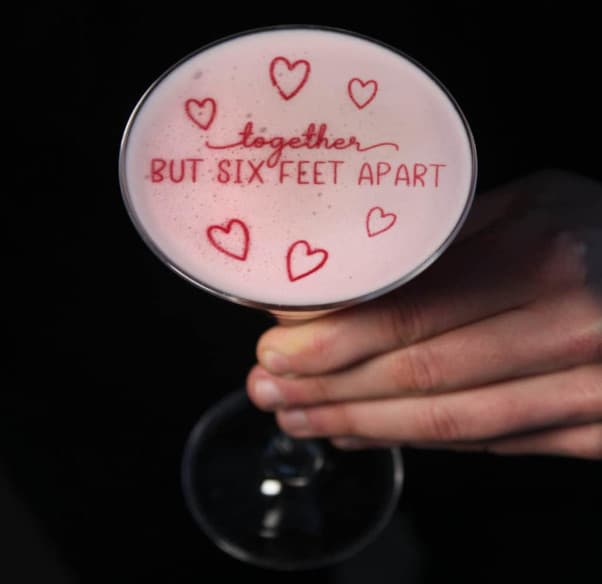
- Social distancing: Many restaurants, bars, and cafés must maintain a certain distance between customers and make sure everyone follows the rules. This influences the location layout, staff behavior, and dialogues with customers.
- Caring for others: The crisis hurt some people’s income and nutrition on the one hand, and left farmers and retailers with unsold stock on the other. More than 20 initiatives connecting the two during the crisis try to save the day. Non-profits encourage food donations, deliveries to hospital staff, and support for F&B employees on unpaid leave.
What we can learn: F&B brands should offer customers an experience that puts their minds at ease and communicates messages of responsibility and care. They may use bev-top media to send customers encouraging messages and friendly reminders regarding social distancing.
Small world: The rise of small businesses
Whether it’s an act of solidarity or just the result of travel restrictions, local and small businesses are at the center.
- SMBs: 70% of consumers declare their plan to support small businesses during the crisis. This also corresponds with people’s wish to communicate directly with brands.
- Virtual restaurants: Restaurants with no physical location pursue impressive culinary ambitions by serving people at home. This trend is one of today’s leading new concepts according to the New York Times.
- Locality: Right now, the F&B industry embraces a more local perspective due to supply chain changes and health restrictions. Customers are part of this change, and 76% of those supporting small businesses do so by ordering from local restaurants. This trend has a positive effect on sustainability levels as it decreases businesses’ carbon footprint.
- Originality: These strange times just might be the most versatile in terms of food options offered to consumers. Indie F&B initiatives become more common when restaurants are closed, and specialty food and beverage sales are up almost 40%.
- Artisanal brands by large corporates: Large brands either acquire or build their own ‘indie’ brands to showcase a different side of their business and embrace other trends listed in this section. Brands behind previously independent initiatives include Unilever and Tata. This has led more than 50% of US customers to view terms like “organic” and “artisanal” rather cynically and consider them an excuse to charge more.
What we can learn: F&B brands should find creative ways to build localized, unique, and original experiences.
Comfort food: F&B indulgence
They call it comfort food for a reason, and right now, we could all use some comfort.
- Indulgence: Around 40% of Americans report that their food indulgence is at an all-time high, and 50% are snacking more than ever. The trend is evident in the beverage department, with alcohol sales increasing by 27%. For many, this is the only form of fun and escapism left at the moment.
- Transparency: At the same time, almost 40% try to eat healthier food and are looking into the ingredients of the food items they consume.
- Greater investment: Customers put a lot more effort into the food and drinks they purchase. They are willing to invest more in something superior, as this is currently one of the few available forms of luxury.
What we can learn: F&B providers should develop original ideas to rise above the noise and offer a better product and experience in terms of taste, packaging, nutritional value, and more.
Food for thought: Final takeaways
- More than food: From food trucks to contactless payments, the discussion revolves around the experiences surrounding F&B items.
- Know who you are: Customers want to know who is behind F&B brands they interact with. They seek to communicate with the person or brand and form a dialogue.
- Close enough: Brands have to find a way to communicate with audiences remotely and extend their brand beyond the physical premise.
- Embracing change: Many of the points mentioned here are unique to this strange period. Some brands had to shift their entire messaging and operations during the pandemic. We realize the importance of adjustable branding tools.
Any exciting trends that didn’t make our list? Feel free to contact us and share your thoughts!